


Upcycling, the art of plant recycling
Upcycling, under this anglicism lies an idea that is both ecological and economic: using as raw material ingredients and materials destined to become waste.
What is upcycling?
Upcycling is "recycling from the top" (up = upwards). Instead of degrading a used product (e.g. a garment is recycled by reducing it to rags, fuel or a new material), we recycle it nobly. In the world of Fashion , upcycling consists of creating clothes either from used clothes that are recut and reassembled, or from unused fabric scraps.
Upcycling means thinking of a product from the outset in terms of circularity: we no longer create a product to use it and then throw it away, we create it to use it and then reuse it for a completely different purpose. Or even use the material resulting from its production to create another product.
In fact, upcycling covers two meanings: either a post-use transformation or the use of production residues.
In beauty , the idea has been around for a long time: using waste or "co-products" or biomass from other industries - mainly food - to make them into choice active ingredients. And rightly so, because these derivative products generally contain extremely interesting molecules.
A supply disrupted by the pandemic
As revealed in a study published by Ecovia Intelligence, the pandemic crisis has shaken the cosmetics industry's supply chains, leading to:
- A reflection on the raw materials used
- A search for local and regional supplies
- Development of the circular economy
In this context, waste from the local agri-food industry appears to be natural raw materials of choice.
Good news: not only are they easily accessible, but they also fully meet consumer demand, in search of naturalness, traceability, eco-responsibility, "localism" and circularity. Finally, they highlight a terroir, a culture and allow farmers, market gardeners or producers to add value to another part of their merchandise. Not to mention that these raw materials are often not very expensive!
Why are plants great candidates for upcycling?
Measures related to the COVID 19 pandemic have affected the harvesting, processing and transportation of plant extracts, with shortages, extended lead times due to port quarantines and increased costs.
At the same time, it turns out that all plants develop strategies to adapt to their environment and protect themselves from bad weather, attacks, etc.
To do this, they produce multiple molecules: the most interesting are antioxidants: vitamins (A, C, E), carotenoids, polyphenols, anthocyanins, flavonoids, etc. All fruits and vegetables contain them.
In addition, it is often in their envelope (shell, skin, bran), which is their protection, that these molecules are the most concentrated. As well as in the stems and seeds. And here again, good news, these are the parts that food does not use. So, great candidates for upcycling. Moreover, many cosmetic brands based on a flagship plant ingredient were originally created by a family or an industrial group, whose main activity was the flagship product and looking for a lucrative outlet for its derivatives.
Pioneers in the healthcare sector:
Grapes from French vineyards

Every year, global wine production leaves aside 13 million tons of grape marc (dry residue made up of seeds, skin and stalks). However, the vine contains a phenomenal quantity of antioxidants, which are obviously found in wine – red wine in particular – but also in these co-products: polyphenol in the seeds, resveratrol in the vine shoots, anti-stain viniferine in the sap. And grape marc, freeze-dried and crushed, can also become an exfoliant with antioxidant properties.
The Burgundy oak

Two patented oak extracts – the anti-aging Quercus Petraea Concentrate and the moisturizing Petrasève – are extracted from oak shavings from the Bertranges forest and used in cosmetics by the Charlois group, based in Nièvre, a manufacturer of barrels for the great Burgundy and neighboring Champagne vintages, through the La Chênaie brand.
The Landes pine

OPC (Oligo-ProanthoCyanidine) from pine bark is a powerful antioxidant, whose protective action is superior to that of vitamin C, but also a collagen protector, therefore an excellent anti-aging agent. It is also found under the name Pycnogenol, which is in fact a trademark registered by a German laboratory on an extract of French maritime pine. Pine also contains rosin waxes, terpenes from which notes are extracted in perfumery. As for the oil from pine seeds, it is rich in essential fatty acids, polyphenols and phytosterols (Océopin).
Mediterranean “ugly” fruits

Do you remember the advertisement for "ugly fruits", which are also edible? Well before this humorous promotion, a small Marseille brand had the idea in 2008 to convert these neglected plants into organic cosmetics, by harvesting them from local market gardeners.
Norman and Breton cider apples
Apple pomace and apple tree leaves, post-pressing residues, can be extracted to obtain cider juice made of phenolic compounds with numerous properties (antioxidant, anti-inflammatory, antiviral, etc.). Apple α-hydroxy acid (malic acid) is one of the most widely used fruit acids in cosmetics to refine skin texture. Finally, the pectin in apple pomace is used as a texturizer for creams and balms and a thickener/stabilizer for body lotions, shampoos, etc.
The grounds of Parisian and Danish coffees


Cafes throw away tons of coffee grounds every year. A Parisian brand collects coffee grounds from local cafes to make an exfoliant rich in slimming caffeine. A Danish brand has done the same and also uses it to make a coffee oil with anti-aging and healing properties.
To respond to this upcycling trend, many manufacturers of natural ingredients are developing cosmetic ingredients from crop residues, whether from avocados (Expanscience), blueberry seeds, vetiver or coffee grounds (Givaudan) or even tree bark (BioForeXtra).
In perfume too
Perfume houses have also started to look at circularity and look for new ingredients to design upcycled fragrances. These can come either from an in-house fragrance ingredient creation process or from external waste such as agricultural residues that would otherwise have become compost.
For example, after the distillation of the flowers, rose petals from Turkey still contain odorous molecules. These molecules are recovered to create a reinterpretation of the scent of the rose, with new facets of apricot, tobacco and spice (Rose Ultimate™ by LMR Naturals by IFF but also Rose NeoAbsolute™ Colourless Orpur® at Givaudan).
As for the upcycling of non-perfume waste, an ingredient with woody, smoky and vanilla notes (Oakwood co2 Lmr Naturals by IFF) comes from unused oak wood chips from a barrel manufacturer based in Cognac.
Other examples: Givaudan, which extracts a component (Apple Oil Orpur®) from apple juice pomace, and Firmenich, which has implemented a program to create perfumed materials through upcycling since 2020.
There is even a project – AgriWasteValue – supported by the Interreg North West Europe programme, in partnership with AgroParisTech, the French Cosmetic Valley and suppliers and manufacturers, to transform agricultural residues into bioactive compounds that can be used in the cosmetic and nutraceutical sectors.
Now, thanks to upcycling, waste becomes noble, recoverable and valued cosmetic raw materials.

Clean Eating is Healthy
Eating clean, why deprive yourself? It's so good for your health! If Clean Eating and the healthy trend are gradually becoming part of everyday life, to the point of leading to new consumption reflexes, it is useful to remember why it is the basis of health .
Eating clean is not just about preparing pretty girly plates. While it may be appetizing to look at, it is above all our health that benefits from it, both in terms of prevention and its consolidation.
Logical, because the principles ofClean Eating exude health all by themselves!
1- We avoid processed foods.
Concretely, raw foods are simple, healthy , and become "processed" when they no longer resemble what they were at the beginning. Industrially processed, they are enriched with sugars, salts, fats (of poor quality), preservatives, additives of all kinds and thus lose a large part of their nutrients.
Why is it healthy?
Because processed foods are pro-inflammatory and increase the risk of cardiovascular disease. Conversely, eating simple and raw foods reduces the risk of suffering from these pathologies. The simpler the food, with a short list of ingredients, the easier it will be to digest and assimilate. Simple does not mean poor.
2- We drink water!

In line with limiting sugar consumption, drinking water every day, at least one liter (remember to drink a glass every hour, outside of meals and at night!) limits the desire for sodas and fruit juices. Because while the latter give the sensation of quenching thirst, thirst stops for a short moment. Assimilated by the body like food, unlike water, they do not provide the desired rehydration, both in terms of feeling and results.
Why is it healthy?
Since sugary drinks lead to excess weight, risk of increased bad cholesterol levels and the onset of diabetes, conversely, drinking water limits the risks. Better still, water is considered a clean and transparent cellular messenger , unlike juices and other sugary drinks that carry other "information" from cell to cell, from organ to organ. And if you fall for a fruit juice , prefer them homemade and combine them with vegetables, preferably green, very alkalizing and rich in minerals.
3- We give up refined sugars!
At the very least, we considerably reduce our consumption . In seemingly healthy foods, such as white rice, bread and pasta, white sugar is hidden (more or less discreetly!). Result: by thinking we are eating healthily, we make our blood sugar levels soar. Not to mention pastries (whether industrial or pastry), which are real little carbohydrate bombs.
Why is it healthy?
These sugars, full of empty calories, have no nutritional benefit. No vitamins, minerals, fiber or good proteins, only a risk of weight gain (or even obesity in the long term) accompanies the consumption of refined sugars. Eliminating them is an excellent prevention of pathologies linked to diabetes. By preferring barley or oats to wheat, by swapping white rice for whole or semi-whole rice, by preferring rye or buckwheat bread, we drastically reduce our consumption of well-hidden carbohydrates and we consume complex carbohydrates, with proven nutritional benefits (in particular a protective role for the intestinal flora).
4- We go easy on the alcohol.


A logical consequence of the encouragement to drink water more than any other beverage, limiting your alcohol consumption is one of the fundamentals of Clean Eating.
Why is it healthy?
If for you, a good meal is always accompanied by a glass of quality wine, continue. It is about favoring quality, pleasure and the exception that confirms the rule. On the other hand, strong alcohols and especially chronicity, change the situation. A daily aperitif only provides empty calories, a large quantity of sugar and the alcohol it contains ends up getting the better of the arteries! Alcohol is inflammatory, alters the liver and all liver functions. And since the body is intelligent, it tries to eliminate the excess alcohol as quickly as possible and, being busy with this, puts its fat burning function on hold, which leads to excess weight and fat accumulation (abdomen, especially). Conversely, a one-off drink in a relaxing and friendly setting is good for morale . And if morale is at its peak, the secretion of dopamine and endorphins (happiness hormones) has positive repercussions on the entire metabolism.
5- We read the labels, even if it is written small, small!
Does this food appeal to you? Is it even labeled organic? That's not necessarily a guarantee. Track down labels (like Nutriscore, the NOVA index, etc.) and they'll tell you a lot about what's in your food, whether it's little or very processed. And, even simpler, if there are names on the list of ingredients that you don't know, as well as a series of E's... don't buy the product in question. Unless it's an absolute emergency!
Why is it healthy?
By reading labels, you will become a pro at hidden additives, colorants, salts, sugars and fats. The more you read them, the more you will avoid highly processed foods, the more you will offer your body healthy foods, rich in "useful" calories. Experts advise avoiding over-packaged foods because the simplest, healthiest ones come from the vegetable garden, the orchard, the butcher or the local fishmonger and do not need these sophisticated packagings.
6- Let’s cook!
And that is at the heart of the principles of Clean Eating. Going to the market to choose your fruits and vegetables, your fresh products, allows you to plan ahead for the meals and menus to concoct. It is, in fact, favoring fresh food and avoiding preservatives and other additives. But above all, it is being an actor in what you put on your plate and that of your loved ones, if you cook for your family.
Why is it healthy?
Because fresh, local produce from short supply chains is necessarily seasonal, rich in vitamins and provides the body with what it needs at that moment. Cooking means reconnecting with the needs of the individual, anchored in their land.

7- We support organic locavores!

Logically, if we cook and we choose our food, we buy from near our home and if we push the requirement a little further, we prefer when it is organic . Because organic meets a demanding and precise charter, which excludes GMOs and chemical pesticides (in favor of natural pesticides from plants, for example, the implantation of certain insects, etc.).
Why is it healthy?
What is full of pesticides poisons our cells. So avoid it to preserve your health. The same goes for the choice of meat and dairy products. And buying products grown, prepared, cooked by local producers means anchoring yourself ever more firmly in the land, it means weaving a closer bond with those who embody the network of small producers. It means eating mindfully and that makes our cells vibrate positively!
8- We treat ourselves to a good quantity of fruits and vegetables.
We love them ! They are our main source of vitamins, minerals, fiber and water. Whole (preferably!) or in juice, they provide a whole list of good nutrients that the body easily assimilates thanks to their high fiber content (except in juices, hence the need to combine juice and portions of whole fruits and vegetables).
Why is it healthy?
They are the main shield between cells and free radicals. These are the famous antioxidants that stop the inflammatory process. Thus, by enjoying their virtues from morning to night, by varying their preparation, cooked and raw, we prevent autoimmune, inflammatory and cardiovascular diseases. Always prefer organic, local, seasonal, washed in white vinegar before consumption. In addition, they are easy to live with. We eat them as they are, without it being necessary to add anything to them. In short, natural, simple, authentic, they have everything to seduce.

9- We add color to our plates!

It's not just joy, it's dietary diversity. And, since each color represents a vitamin or a family of vitamins, the more colorful the plate, the more vitamins there are.
Why is it healthy?
The body does not like chronicity or repetition, because it quickly becomes lazy. If you eat a slice of organic, quality country ham every morning for breakfast, it is interesting from a nutritional point of view but too repetitive and you will end up gaining weight. If you alternate ham, smoked trout, avocado, cheese, mackerel rillettes, etc., you will offer such diversity that your body will draw the right nutrients, burn fat and keep only what it needs for a metabolism in top form. And to complete your color chart, add spices, fresh herbs , seeds, sprouted seeds . In an even more subtle way, you will go a little further in variety.
10- We divide and we enjoy!
Clean Eating suggests eating five to six meals a day, rather than two or three large ones, which are more expensive for the body to digest. In concrete terms, breakfast is important and contains proteins, animal or vegetable, more salty foods than sweet ones (because it is proven that the metabolism is programmed to better manage salt than sugar when waking up). Lunch is also made up of proteins and vegetables. Dinner is the same, but in smaller proportions. But above all, we advocate two snacks, one in the morning at the end of the morning, and one in the afternoon, the famous snack.
Why is it healthy?
Because the digestive system is not over-taxed by large caloric intakes but is more reasonably solicited on several occasions. The intake of water (contained in food), fiber, vitamins and minerals is done in a more linear way, at times when the body needs them, while stabilizing the intake of sugars and therefore blood sugar.

In conclusion, eating healthy is all about benefits. We digest better, we have a boost of energy, we have healthy transit, a healthy weight... In the background, don't lose the connection with pleasure. Eat mindfully, taking the time to look at your plate, to smell it, to hear your bread crunching, then tune in to your feelings to listen to your satiety, because we are too often conditioned by the social rhythm rather than by our own. In two words, Clean Eating is also about listening to yourself. No, no, it's not a bad word, even less a selfish concept. It's vital!

The “Body Positive” Movement
In recent years, a vast movement has emerged to rehabilitate women's bodies with all the differences they can show and thus break the injunction to perfection. History and decoding of a more "clean" societal movement and a more inclusive beauty.
Body Positive: Stop the illusion of perfection!
It all started with scandals related to the health problems of many young girls who starved themselves to look like the models in magazines... without realizing that the photos were retouched. In a spirit of transparency, many initiatives were taken to show the reality of these photos that were too perfect to be true. Some models and celebrities published before/after retouching photos in order to stop this myth of perfection on glossy paper. Courageous, they were quickly praised. And soon followed by certain brands displaying advertisements "guaranteed without retouching" and magazines with "unretouched" photos of stars on the cover. Given the success of these initiatives, certain brands felt the wind change. They spotted an advertising argument to play on proximity with their customers under the pretext of representing them all, in their diversity. We then saw the emergence of campaigns advocating inclusion and displaying skewers of women of all sizes, all colors and all builds. At the same time, this social trend has forced fashion show and magazine casting directors to resort to a greater diversity of muses. It was about time!
From inclusive beauty to positive beauty
For years, activists, associations and the public from underrepresented populations have been demanding more visibility in the media to be more in line with real society. Beyond having offered more visibility to minorities, the movement has allowed other groups of discriminated women to display their differences, which were previously considered as flaws or imperfections. Even if the cult of perfection was weakening, it was nevertheless necessary to display these physical details that were (and still are) hidden. The battle quickly began on social networks, first with the "+ size" influencers committed to fighting fatphobia, then by many anonymous people thus normalizing their round bodies, their cellulite and their love handles. The movement has spread to all "differences": acne, stretch marks, scars, burns, spots. And today, inclusive beauty and the Body Positive movement belong to a broader movement that no longer simply displays these differences but highlights them. It's the #bodyglory movement which consists of being proud of one's "flaws", and even claiming them.
Cellulite, swollen belly, saddlebags and love handles: you're normal!



From Dove, a few years ago, which made inclusion the key element of its brand image, to We are Jolies panties and swimsuits that display all body types in underwear, the "Body Positive" shift has made it possible to develop more caring products, often ethical, supportive and sustainable . If some brands are trying to recover this phenomenon for marketing purposes, it is on social networks that we find the most committed ambassadors!
@lottiedrynan dedicates her Instagram account to desacralizing the flat stomach by posting photos of herself when she is bloated and hammering home "Since from one hour to the next my stomach can go from flat to swollen, it is proof that my body does not define my value". She gives tips for feeling good despite a bloated stomach and shows off her love handles as much as her belly.
For her part, @celestebarber makes fun of the clichés of influencers, actresses and other slender celebrities who post sophisticated glamour photos by imitating them with her own body and what she has on hand. A process that ridicules glamour posts and those who are behind them. An excellent therapy to put things back in their place.
@danaemercer , an American woman has fun posting two photos of herself taken at the same time side by side: one super sexy, and the other 100% natural. She thus denounces this lie that displays on social networks shots of supposedly perfect bodies obtained thanks to advantageous poses and angles.
Body Neutral versus Body Shaming
An evolution of the Body Positive movement is the term "Body Neutral" which means that physical appearance should not matter, neither to do, nor to obtain, nor to allow oneself things, and even less to be taken into account to gain one's self-esteem. Body Neutrality is a response to the Body Shaming that women undergo, that is to say both a pressure to be thin, beautiful and in shape and the guilt of not being so.

The Instagram account @confidentcollective offers a podcast and publishes posts to gain self-confidence and give a new image of women, in all their diversity. The #bodyneutral trend teaches kindness towards oneself , regardless of appearance, and advocates self-love in a global way through gratitude, healthy living and eating, and positive consideration towards one's body so that it is no longer a limiting factor.


In this perspective, we can want to lose weight for example, or to beautify ourselves, but not to correspond to social criteria, or to please others, not to conform to injunctions, but just to feel good and no longer see our body as an enemy, but as an ally. This is the mantra of the Frenchwoman @ shera who shows herself naturally with all the details of her irregular skin down to those of her hair through the particularities of her body. The same goes for @ mikzazon who campaigns to "normalize normal bodies" (#normalienormalbodies) and who poses in a swimsuit without complex, and shows her skin without makeup of which she claims the visible pores, the redness and the spots.
Body Positive and Fatphobia


Body shaming is particularly common among strong women.
In France, blogger Stéphanie Zwicky was a pioneer in the art of dressing plus sizes. She helped many women to assert themselves through fashion and to succeed in dressing by campaigning for more and better-cut models for plus sizes.
The young woman Coucou les girls began to parody beauty influencers with ironic videos and then addressed self-esteem and body acceptance. She then chose to show her body in many photos to help other strong women love and accept themselves despite the ever-scrutinizing gaze of society.
This approach is that of many accounts like @ pausitiveworld or @ mybetterself which aims at the same time for everyone to (re)take power, sometimes through a feminist approach, or inclusive in particular in her podcast (Inpowerpodcast). The famous @ gaelleprudencio , author of "fiere d'être moi-même" (ed.Leduc), has become one of the emblematic figures of the Body Positive movement in France and shows off her size +++ while making fun of the judgment of others. Finally, the big girl with a big style, @ grosse_avec_frange , has an account dedicated to fashion +++size which shows that you can have a very assertive style whatever your waist, hip or chest size.
Moms and their stretch marks
Amidst all this diversity of bodies, there is an offshoot of the Body Positive movement dedicated to moms and their post-pregnancy bodies. These accounts mainly target stretch marks, but also sagging skin, seen as reminders of the most beautiful thing their bodies have done: carrying life. Some of these accounts also post photos of anonymous moms to encourage them to thrive and appreciate the changes in their bodies and not be ashamed of them!
One of the leaders of this trend: @thebirdspapaya aka Sarah who shows off her mom and mom-to-be body with her stretch marks and flabby skin. For her part, @ely_killeuse , the French influencer who describes herself as "a young, uninhibited bodypositive mom", has long been yo-yoing to fight against her body. Author of "Bodypositive Attitude" at Marabout, she now focuses on showing "the real life" of a mom and providing solutions to practical problems.
Skin Positivity: the body positivity of acne and spots


Acne has long been a huge complex for many women and girls whose only pride was knowing how to hide this problem by putting on makeup like a pro. Today, tired of being ashamed of it, some have chosen to show their skin in all its irregularity of color and relief.
@mariia_white , who suffers from severe acne, shows her skin in crisis or with light makeup, to promote #normalskin on social media. @theblemishqueen (the queen of the pimple, in French) embraces her skin with or without makeup, in order to normalize skin problems.
@myfacestory claims #acneneutrality and advocates her acne scars to help other sufferers live.
Finally, @alexandra_breeze shows on her unfiltered account her very severe acne, with bumps and very strong redness and does not hesitate to post a photo of a burst pimple or scabs.
Body Positive and Diseases
The Body Positive movement also helps combat isolation due to the physical consequences of certain illnesses. It is then a question of mutual aid and "good vibes" to show women that they are not the only ones to experience these problems. In this movement towards the acceptance of all physiques whatever they may be, women suffering from or surviving cancer have found a space where they can be bald without any shame. This is the case of the account @ hellopecia or @ paulinealopecia , a young woman suffering from allopecia at 19 years old who shows herself with or without a wig.
Other illnesses, eating disorders including anorexia come out of the shadows: @ iskra aka Iskra Lawrence, ambassador of the national association of eating disorders, gathers some 4.6 million followers. Former anorexic, the famous @ meganjaynecrabbe , aka Body Posi Panda, a curvy girl with purple hair (at the time of writing) decided to enter the Body Positive community, to learn to love herself and to destroy stereotypes to help other girls in her case. Finally, many accounts are also dedicated to angiomas, port wine stains or vitiligo.
The account @ vitiligo.beauty relays photos of people with vitiligo to showcase their beauty and diversity, and the account of the famous vitiligo-stricken @winnieharlow showcases the famous top model. We also find accounts of people with albinism on Instagram, or bearded women like the sensual@harnaamkaur who claims #mybodymyrules (my body, my rules).
From Body Neutral to normal skin, Body Positivism and its variations are a liberating and joyful social movement that marks the evolution of the way we look at others and their differences. From this point of view, social networks appear as a small revolution that allows people to connect who until now believed themselves to be alone and suffered in silence from their complexes. It is up to society to evolve in light of these examples of acceptance and appreciation of differences so that future generations can be more open to others and freed from the injunctions to beauty standards from another age.
Body positivity in 5 Instagram accounts


@twelvefevrier , a badly burned person who decided to show herself as she is with her burn scars to help all those who have suffered this kind of trauma to stop hiding.
@lafillequiadestaches , round and carrying angiomas (red spots) all over her body, this leader of body positive influencers on Instagram is a fierce self-love activist.
@worldof_riah , a busty American dancer with vitiligo. Her beauty and zest for life make her spots disappear
@onveutduvrai , a French account that uses social networks to make women feel good by sharing photos with those who have the same complexes as them.
@jenbricker , a woman with both legs amputated who places her bust in every possible place, with her partner, to show that her disability is not an obstacle to a "normal" life.

Can sunscreens be clean?
Accused of being bad for marine fauna and flora, and sometimes even for humans, sunscreens have been singled out in recent years. They are not simple cosmetics since they are a public health issue, the protection of the skin against the sun's rays. Can they be clean? Can we do without them?
Environmentalists and ocean lovers condemn sunscreens, dermatologists on the contrary recommend applying protective screens all year round while some influencers encourage not to use them at all to protect the planet . And 92% of French people want sunscreens to be more environmentally friendly.
Between chemical filters accused of being endocrine disruptors and, for some, of destroying coral reefs, and the problem of nanoparticles in mineral screens, the subject is thorny.
Let's just say it right away, the clean sun product has not yet seen the light of day. Because it is an eminently complex product to formulate, which responds both to a health problem and to a need to provide pleasure for good compliance, that is to say regular use. Moreover, if it is considered in Europe as a cosmetic - but with very strict regulations -, it is a "quasi-drug" in Japan and an OTC (Over the counter/medication sold without a prescription) in the United States and Canada, in the same way as paracetamol for example.
Filters in the dock
Sunscreens are suspected of polluting waters and killing corals, but also of being endocrine disruptors .
Some chemical filters banned for their environmental impact
Chemical filters absorb UV energy and cover the entire solar spectrum: UVB, UVA, long UVA and blue light. If they filter UV on the skin, they also do so in the water. Thus, the thousands of tons of non-biodegradable sunscreens dumped annually into bathing waters prevent the sun's rays from reaching the seabed and disrupt the organisms that live there.
- Chemical filters prohibited in tourist areas:
The Palau archipelago was the first, in 2020, to ban ten components including oxybenzone (Benzophenone-3 on the INCI list) and octinoxate (ethylhexyl methoxycinnamate), two chemical filters also banned in Hawaii since January 1, 2021. Territories with coral reefs, such as the US Virgin Islands or the Republic of the Marshall Islands, have also banned octocrylene. Sometimes, the use of any sunscreen is prohibited, particularly when visiting certain chasms and caves in Mexico or Lifou in New Caledonia.
Indeed, many studies have shown that these filters have a negative impact on marine organisms. To name a few: in December 2018, a study by French researchers revealed that octocrylene accumulates in corals in the form of fatty acid derivatives and can interfere with their metabolism. A new French study from March 2021 demonstrates that octocrylene is transformed into benzophenone by a chemical reaction as soon as it is produced, and that its concentration systematically increases over time in finished products. In addition, a study published in 2015 by researchers at Tel Aviv University revealed that oxybenzone – or benzophenone – distorts the morphology of coral larvae by damaging their DNA.
- A ban to be put into perspective
The experimental conditions of these studies are most often very far removed from what happens in reality, because exposure to chemicals is generally extreme – short and intense at the same time – and does not reproduce the conditions in a natural coral environment. The reference method for testing the effects of sunscreens is to take small samples of coral, bring them to the laboratory, and expose them to varying concentrations of sunscreen (or their components). The amount of algae released, the color of the corals, the number of survivors, etc. are then measured.
In fact, it is not so much the amount of sunscreen applied when swimming that is harmful, but the overall sum of filters that end up in the water, coming from multiple uses of these substances (in food, construction, etc.). Thus, the concentrations of benzophenone found in samples taken from swimming areas on beaches in California are much lower than those measured in sediments taken near sewer outlets - where no one swims - and those used to detect their negative impacts in the laboratory. So, if sunscreens play a role in the discoloration of coral in the wild, it is a minor action compared to the massive impacts of warming of water masses, their acidification, discharges of poorly treated wastewater, plastic pollution and carbon emissions.
What about endocrine disruptors?
The other major accusation that weighs on chemical filters is that of endocrine disruption. We repeat, nothing is proven, because it is very difficult to demonstrate. However, the following are suspected among chemical filters: avobenzone, ethylhexyl methoxycinnamate (octinoxate), benzophenone-1 and -3 (oxybenzone), octocrylene, 4-methylbenzylidene camphor (4-MBC) and homosalate. According to the standards set by European regulations, the quantities applied, limited to a few months per year, are not problematic. But discharged into water, unfiltered by treatment plants, they are ingested by living organisms that end up on our plates.
Mineral screens, really harmless?
European regulations authorize two mineral sunscreens: Titanium Dioxide and Zinc Oxide. They are called mineral screens because they act as sun visors, forming like small mirrors stuck to each other on the surface of the skin that reflect light. Organic sunscreen brands claim that they are safe for humans and the environment and therefore a healthy alternative to chemical filters. And yet…
- Not so good for the environment

Tests have shown that exposure to zinc oxide disrupts the photosynthesis of algae that live in coral tissue, causing them to discolor. Some conventional and certified organic brands have therefore excluded it from their products. In addition, zinc oxide and titanium dioxide are not biodegradable and tend to accumulate in aquatic environments.
Another concern is that mineral screens all contain a significant amount of these two substances in the form of nanoparticles – extremely fine particles – which can penetrate biological barriers. A study from Wageningen University in the Netherlands observed that these microscopic elements disrupt the feeding behavior and reproduction of mussels. They are also known to modify the genetic code of certain fish, preventing their reproduction. Other studies suggest that nanoparticles could be toxic to plankton.
- A risk for humans?
Titanium dioxide (nano-particulate or not) has been classified as a possible carcinogen by the WHO since 2006, in case of inhalation at high doses. This is why it must be handled with care by formulators and manufacturing personnel.
Another concern: mineral-based sunscreens have often been criticized for being thick and white. And yet, it is not because they appear to provide more coverage that these products protect better. Indeed, while conventional sunscreens combine between 3 and 7 filters to obtain a filtering system that covers the entire solar spectrum (UVB, UVA, blue light), in organic products, only zinc oxide and titanium dioxide are authorized. It is therefore difficult – especially if they are not used in nano form – to obtain uniform and highly effective protection, particularly on long UVA rays (which penetrate deeper into the skin). In this non-nano form, i.e. larger, they do not completely cover the skin, because they tend to create "clusters". And in
Finally, the mention
Formulas in great evolution
Aware of the ecological and human impact of their formulas, solar specialists have initiated research work to improve their products .
Optimize filter content
For the past ten years, the leaders in solar have been reviewing their formulas. As studies and discoveries progress, they have avoided certain criticized filters. They have also improved the synergies between filters in order to reduce their number, but also their concentration in sunscreens. Where there were – and still are in some – seven associated filters, some brands have managed to use only three to four for the same protective effectiveness. And to reduce the concentration in the overall formula to less than 20%.
These same laboratories try to use only filters that are not soluble in water, so that they do not spread into the oceans.
Improve the overall formula
As we have just seen, filters only represent 20 to 30% of a formula. It is therefore important to look at what is around them: silicones, mineral oils, ethoxylated molecules (ending in eth), alcohol, parabens. Here again, more and more manufacturers are removing ingredients that are harmful to the environment, either because they are of petrochemical origin and bioaccumulative (mineral oils, silicones), or because they disrupt ecosystems such as volatile silicones (cyclypentasiloxane, cyclohexasiloxane, BHT).
At the same time, they create finished products that are as waterproof as possible, so that they spread as little as possible in the water.
Improving biodegradability

One way or another, sunscreen ends up in the oceans. For example, 25% of sunscreen is released into the water after 20 minutes of swimming. And since there is always some left on the skin in the evening, the rest goes there indirectly after showering via wastewater. Each year, tourism generates the discharge of nearly 25,000 tons of sunscreen into the waters of tropical countries, including 4,000 tons in coral areas.
This is why manufacturers have also revised their copy concerning the biodegradability of their products, to the point of displaying biodegradability rates above 90%.
Finally, "non-ecotoxicity" is now tested in the laboratory on algae, corals and plankton by oceanic study centers: the Banyuls-sur-Mer Oceanological Observatory, the Mediterranean Institute of Biodiversity and Ecology, the Scientific Center of Monaco.
Packs with less plastic
Beyond the formulas, we know that the other concern with sunscreen products is the tons of plastic bottles that invade the beaches and end up in the oceans. Even if it is primarily water or soda bottles that pollute the most beautiful places on the planet, the cosmetics industry is aware of its necessary participation in the collective effort by reducing its consumption of virgin plastic (newly produced plastic).
This is why many large groups now offer bottles made from recyclable and partially or 100% recycled plastic . When you have finished your cream container, you throw it in the recycling bin (in countries where recycling is effective). The start-up Carbios is innovating with PET bottles that are infinitely recyclable thanks to an enzymatic process. As for tubes, we have seen the first partially recyclable tube made from cardboard, thus reducing its weight in plastic by 45%. So everything is not perfect yet, but we are making progress.
Solar energy, a public health issue
Even if they are not flawless, sunscreens are not cosmetics like the others. They meet a public health need.
The sun, a health hazard


More than 100,000 new cases of skin cancer are recorded each year in France, including 15,500 melanomas (Overview of cancers in France 2021). According to the WHO, the incidence of melanoma and other skin cancers has increased in recent decades (with an incidence rate doubling every 10 years in countries with a Caucasian population). Currently, between 2 and 3 million non-melanoma skin cancers and 132,000 malignant melanomas are recorded each year worldwide. One in three cancers diagnosed is skin cancer according to the Skin Cancer Foundation Statistics. The sun and its ultraviolet rays are the main culprits.
But the sun has other visible harmful effects on the skin, much more widespread: sunburn, sun allergies, actinic keratoses, spots, photo-aging.
The best protection: clothing and shade

Obviously, the best sun protection remains a T-shirt or loose clothing, a hat, sunglasses and staying in the shade. In case of exposure, it should be as short as possible, during the coolest hours. But there are still walks, hikes, sports or gardening sessions where certain exposed parts of the body must be protected (nose, ears, neck, décolleté, hands, ankles).
Essential sun protection

Sun protection is therefore non-negotiable during exposure. And by exposure, we mean any outdoor activity between May and September. It is better to apply a sunscreen product 4 months a year than risk burning, allergies, spots, actinic keratosis (red and rough lesion linked to overexposure, one of the leading causes of consultation with dermatologists) or cancer. So, we choose a sunscreen that is in line with our beliefs, our tastes in terms of galenic (oil, spray, milk) and we adopt responsible behavior by exposing ourselves little and wearing sunglasses, a t-shirt or a dress. This is what we call the benefit/risk.
Regulations that reduce opportunities for development
There are few brands that manufacture sunscreen products compared to those that manufacture makeup or skincare. And over the years, we even see laboratories abandoning this segment. This shows how difficult it is to correctly and effectively formulate these products that do not tolerate ease. As for making your own sunscreen product at home, out of the question!
A positive list of filters in the various regulations
Since sunscreen products are subject to a much more stringent performance requirement than a moisturizer or shampoo, they are governed by much stricter regulations. One of these is the positive list of authorized UV filters.
Sunscreen products belong to the family of cosmetic products, and are subject to European Regulation EC No. 1223/2009. Annex VI of this regulation currently authorizes around thirty filters, evaluated by the European Scientific Committee for Consumer Safety, and indicates their maximum permitted concentration. Laboratories must imperatively draw from this positive list to formulate any care claiming a protective action against UV rays.
The difficulty in registering new filters
In order to improve the quality of filters and develop sun protection, many laboratories are working on new protection processes, filters or others. But they are coming up against several major obstacles:
- The complication of finding new effective molecules, especially when we are looking for naturalness with ingredients derived from plants and no longer from petrochemicals.
- Time, because it takes several years to test its effectiveness, safety and non-toxicity.
- Once these steps have been completed, there remains the regulatory barrier, the slowness and sometimes the administrative protectionism to overcome. The Pierre Fabre group, which has just put a new filter on the market in 2021, took almost ten years to have it registered in the European list. As for the FDA, the American body is only just beginning to look at its list of authorized filters dating from 1974, well before the harmful effects of UVA were discovered or the environment was concerned! Not to mention the reluctance of this organization towards filters from non-American laboratories!
In such a context, we understand the difficulty in innovating in the field of sun protection and especially why certain laboratories, followers of "clean" are giving up, dissatisfied with the answers they could provide immediately.
Although truly clean sun care still does not exist, great strides have been made in terms of protective effectiveness and eco-responsibility.
What progress between the products of the early 2000s and those of today - and what about the bottles of Monoï without protection from the 70s! -. We can therefore hope, in a few years, for a design of cleaner, more ecological and healthier formulas, reconciled with filters (if they still exist).

Is it possible to perfume a clean treatment?
A clean skincare is above all a virtuous skincare. If there is no precise definition, this notion takes into account the formulation of the product, as well as its entire ecosystem: packaging , value chain, ethics, environment . Clean beauty, born from a notion of health, excludes a certain number of so-called controversial ingredients. And if each brand has its own black list, more or less long, excluding these controversial ingredients , perfume is often part of it.

So how do you perfume a clean skincare range with such demanding specifications regarding respect for the skin and the planet? How can you be a clean product while offering the pleasure of a delicious scent that guarantees greater effectiveness? Because it is proven today by neuroscience: a product is more effective if it arouses positive emotions, and the fragrance, like the texture, actively participates in this.
Explanations from Laurie JUNILLON, Marketing and Communications Director of Sozio , a family perfume composition house for 260 years.
What do clean skincare brands want today in terms of fragrance?
Their specifications are increasingly complex, because consumers, increasingly educated, are looking for absolute transparency and 100% natural. For them, knowing the exact composition of the formulas is a key concern. However, the word perfume in the INCI list (the composition of the product appearing on the packaging) is opaque, because we do not know what it covers exactly.
And for Yuka 's verdict to be green, the formula must not contain allergens that are very present in perfumes. The formulation therefore becomes more and more complicated to remain creative while respecting these requirements.
Is a clean perfume necessarily natural?
No, not necessarily. Clean is not 100% natural.
By clean, we mean the removal of certain controversial elements, such as CMR agents (carcinogenic, mutagenic and toxic substances for reproduction), or allergens. This is the selection criterion, not naturalness.
A clean perfume therefore integrates both natural and synthetic raw materials, all of which are respectful of the skin and the planet. In the past, to ensure naturalness, we had essential oils and absolutes at our disposal. Today, we have green chemistry and super-critical CO2 extraction, but the range of fragrance notes at our disposal is more limited.
Is it possible to be 100% natural and clean?
No, because that would mean being able to accept photosensitizing, allergenic, and even CMR raw materials. The goal is to be able to offer a perfume that is 100% healthy for humans and the environment.
What does Cosmos certification require?

To be Cosmos certified , the perfume must be 100% natural or of natural origin (isolates*) without any synthetic raw materials (i.e. of petrochemical origin).
*An isolate is an odorous molecule that has been isolated from a plant.
All this requires a lot of teaching and education for the consumer?
Yes, absolutely, it is essential to explain why we cannot want everything at the same time.
Thinking that natural is good and synthetic is bad is a simplistic vision! On the one hand, green chemistry makes it possible to obtain highly effective molecules without impacting natural resources.
On the other hand, there are synthetic raw materials that are 100% safe for humans (as well as for the environment) and that have the immense merit of being neither CMR nor allergenic. We can cite the ozonic floral odor (Florol), the fruity coconut odor (aldehyde C18) or the apricot odor (Decalactone Gamma).
Conversely, some natural ingredients are not completely harmless because they can be allergenic, CMR or photosensitizing, such as lemon essential oil. Natural includes raw materials of plant origin but also those of animal origin, such as beeswax, ambergris or musk. To obtain these olfactory notes, the synthetic alternative is an interesting option. In the end, it is up to each brand to make its choice and prioritize its requirements.
What is the difference between the natural olfactory palette and the synthetic palette?
With the 20% of raw materials of natural origin authorized, and without being able to use his "classic" palette of synthetic raw materials, the perfumer must show ingenuity to formulate his perfumes. However, the odors of certain flowers cannot be extracted. This is the case of lily of the valley for which there is no possible essential oil or absolute. The perfumer will have to work on associations of certain natural raw materials to recreate the olfactory note that he would have obtained with synthetic raw materials. In 100% natural formulation, certain notes such as musky, marine or ozonic floral notes are more complicated to achieve, because there is no natural equivalent.
How are you responding to this explosion in clean demand?

We are constantly improving our "green" and environmental approach and we have decided to go further by creating the CLEAN FRAGRANCE label, the result of the intersection of American and European regulations (USDA NOP, COSMOS, ECOLABEL, etc.), which is linked to human health and environmental respect, in order to offer perfumes free of controversial ingredients. This is our internal black list.
What is the process of developing a clean scented treatment?
We work from unscented bases with various textures (gel, cream, oils, etc.) and work the fragrance according to each one. Indeed, the fragrance does not necessarily come out in the same way in the different products. The care product may have an unappealing base odor linked to certain raw materials used such as "surfactants" which are foaming agents: the fragrance then intervenes to cover the base odor and obtain an olfactory desirable formula. We therefore create a clean fragrance for each clean formula, in order to ultimately have a clean care product in its entirety.

Are waterless cosmetics really Clean?
Just three years ago, waterless cosmetics represented a very small part of the market and were limited to soaps and a few solid shampoos. Today, the offer includes many products (including skin care) and invades all distribution channels. But are these waterless cosmetics really Clean, that is to say more ecological, and “cleaner” for the skin? Decoding this phenomenon.
Consumer awareness and the desire for more responsible cosmetics towards the planet have pushed brands and distributors to enrich the waterless cosmetics segment. A fad or a real groundswell? What are the promises and advantages of this anhydrous cosmetic?
Water in cosmetics, a real problem
It's true, cosmetics are composed of 80% water. Looking at the INCI list (the composition) of any cosmetic product, we realize that water (aqua) is almost invariably the first ingredient. It represents approximately 80% of any cream or body milk, and rises to more than 90% for any so-called "rinse-off" product, namely shower gel, shampoo, water or cleansing gel.
Water, a diluent
In cosmetics, water can be interesting and have real beneficial effects if it is thermal water, sea water or water from glaciers, or floral water (hydrosol), because they are loaded with active ingredients (minerals, trace elements, vitamins, etc.) - and then much more complicated to include in an emulsion. Most of the time, we use simple purified running water which then plays an essential role as a solvent. It facilitates the mixing of active ingredients - often fatty substances - and reduces the greasy and shiny effects of a product. It also lightens the galenics by making them more liquid and providing a fresher and more pleasant application. Water is also the economic ally of manufacturers, who make significant savings by diluting the quantity of active ingredients in finished products. Indeed, these active ingredients are generally much more expensive than tap water.
Water = preservatives
Water is the part of cosmetic products that is most susceptible to contamination by bacteria and other microorganisms. However, there is no question of bacteriological contamination in a beauty product, which could cause irritation or allergy. This is why any cream, emulsion, cleansing milk, shower gel or shampoo requires the presence of preservatives, which are essential for its proper conservation under normal conditions of use. And this is even more true if it is a pot where we are going to dip our fingers daily, or a container that is going to stay warm and humid on the edge of a shower. But who says preservatives says "bacteria-killing" ingredients. However, some of them are now on the list of so-called undesirable ingredients, because they are suspected of being endocrine disruptors , or of causing themselves undesirable effects such as irritations and allergies. Indeed, preservatives disrupt the microbiota , largely composed of bacteria that are beneficial to the skin.
Water does nothing for the skin
Contrary to what you might think, the water contained in cosmetics does not hydrate the skin. It is the water we drink that hydrates us, as well as the active ingredients (urea, glycerin, hyaluronic acid) that prevent the water in the skin from evaporating and allow it to circulate better in the cells.
A water-intensive manufacturing process
The steps in manufacturing a beauty product require several thousand liters of water. In this case, we speak of “virtual water” of the finished product. For example, the water used in cosmetics must be free of any germs, heavy metals, bacteria or limestone, and it must always be of the same quality standard. However, the water purification process requires 4 liters of tap water to produce one liter of purified water! However, water is an increasingly rare commodity. According to Science , nearly 1/3 of the world's population is at risk of drinking water shortages due to global warming.
Waterless cosmetics, a return to basics
In vogue recently, waterless cosmetics are in fact just a sort of return to the roots of cosmetics.
Before the invention of the emulsion
Creams, serums, liquid shampoos and other water-based care products were created in the 20th century: the first cream was invented by Guerlain in 1905, the first liquid shampoo in 1927 by Schwarzkopf. The industrialization of cosmetics allowed the introduction of the emulsion, by mechanically mixing oil and water. But bar soap has existed for over 3000 years, beeswax-based care products since Antiquity and powdered shampoo since the Middle Ages. Today's waterless cosmetics are a clean, safe, ecological and economical alternative to so-called traditional cosmetics.
Waterless cosmetics, not just solids

It is obvious a priori that an "anhydrous" cosmetic does not contain water. If the mention of waterless cosmetics immediately brings to mind the many solid products recently put on the market, it takes different galenic forms. Under this name we group the simple bar of soap and all these so-called solid products (shampoos, facial cleansers and now creams, conditioners, deodorants, etc.) but also powders, from talc to toothpaste to exfoliating powders. And, we often forget, all products based on vegetable oils and butters, such as balms and ointments, makeup remover oils or body oils.
The benefits of waterless cosmetics
This form of anhydrous cosmetics meets today's wishes.
Clean formulas
“Waterless” is part of the trend for refined products, like “ gluten-free ” in food. Waterless also means preservative-free, because the more water there is in a product, the more it is diluted, the more preservatives need to be added. Without water, the microbial risk is almost zero. Oils and butters just need antioxidants so they don’t go rancid. As for powders, they often contain a maximum of ten ingredients, including clay and plant extracts or pure vitamin C.
More active formulas
Purified water, the main component of classic formulas, is inert. As a result, most products contain only 10% of truly active ingredients. Solid or powdered products are only composed of ingredients necessary for their function and effectiveness. As for oils and butters, provided that they are of plant origin, they have a better affinity with the skin's hydrolipidic film, which absorbs them perfectly, and provide it with essential fatty acids. Finally, some active ingredients that are very unstable in water-based solutions - such as vitamin C or retinol - behave much better in anhydrous formulas, such as powders. Be careful, however, with real soaps , which have come back into favor with this trend: their saponification method makes their pH very high (basic, often above 9) while the skin's pH is 5.5. These soaps are therefore not as beneficial for the skin, contrary to what we often hear. We prefer shower gels or solid washes, closer to what we call superfatted bars.
Zero waste, portable and economical products

The last obvious advantage when talking about solid or powder products: sold in bulk or with minimal packaging, they limit over-packaging, waste and plastic pollution . Unlike the millions of bottles of shampoo and shower gel thrown away each year, they are simply packaged in recycled and recyclable cardboard or in a reusable metal box. And even if they require a plastic or glass box - like deodorants or oils and balms - the fact that they have a smaller capacity reduces both the quantity of material and the carbon footprint. Thus, a solid cleanser requires 20 times less energy to produce than a classic shower gel or shampoo. Not insignificant, we also save space in the bathroom and in the toiletry bag. These are nomadic products par excellence when we travel or have done sport.
Moreover, their concentration is an economic advantage. For example, a solid shower gel is equivalent to three classic 250 ml bottles and a toothpaste tablet is equivalent to two tubes.
The false promises of waterless cosmetics
Waterless cosmetics are not always the panacea.
Sometimes neither minimalist nor natural
We can believe - and some brands make it a strong marketing argument - that these products free of water are also free of any superfluous ingredients, and are minimalist. If this is the case for some, we also find balms or solid products with super long INCI lists, up to forty ingredients. Similarly, without water does not necessarily mean that these products are always natural or organic . We find body butters containing paraffins, oils with silicones or mineral oils, solids with hydrogenated oils ... It is therefore essential to look at the list of ingredients (INCI) of water-free products, especially if you are looking for Clean Beauty products, labeled Nat or Bio.
Solid cosmetics that contain water?
When we look closely at the composition of shampoos and other solid cleansers, we notice that the vast majority still contain water. It is sometimes mentioned at the end of the INCI list, often as the first or second ingredient – especially for products sold in supermarkets – even if it remains in much smaller quantities (10 to 20% instead of 80% in a classic cosmetic).
False solids
The latest trend? Waterless shower gels, in the form of sticks, tablets or pebbles, to be dissolved during the first use, i.e. to which you have to add tap water! So, yes, since the water only arrives at the end of the process, we significantly reduce the carbon footprint on transport. But the term waterless cosmetics is misleading in this case. Nevertheless, they are ecological because they are offered in reusable and plastic-free bottles: glass.
Waterless cosmetics, and particularly solid cosmetics, are very fashionable, wearing ecological and natural clothes. It is true that they save a large amount of water, reduce packaging and replace plastic with paper, cardboard, or glass, and drastically reduce the transport footprint (and even save space on shelves and in the bathroom). The fact remains that sensoriality (and the hair result) is not always there . In some cases, storytelling prevails over the quality of the formulas. But we are probably only at the beginning of a long story.

Clean beauty, yes, but where?
Want Clean Beauty ? To do good to your skin while respecting the environment? To change your routine to make it greener? To be confident when buying your cosmetic products?
Here is a selection of must-see stores, many in Paris, but not only.
Oh my cream!

A pioneer, this alternative beauty concept store paved the way by discovering very early on (as early as 2013) gem brands around the world, with responsible, clean and cutting-edge offerings. An expert in skincare, Oh My Cream has since developed its own brand of facial care. It also offers body care, hair care and makeup.
Their brand selection charter is established based on the criteria of "effectiveness, safety, and eco-responsibility", and advocates absolute transparency. It analyzes the composition of the products as a whole and exclusively chooses committed brands. Their vision is not Manichean, by not limiting itself only to a list of controversial ingredients to exclude. Today, 12 stores in Paris, and 8 in the provinces (Aix-en-Provence, Bordeaux, Lille, Lyon, Toulouse, Rennes, Marseille, Nantes) provide serious advice with a real educational approach to educate customers about these new paradigms.
We really like their philosophy, their commitment to the quality of the advice given, the clarity of their pretty white boutiques, and their careful selection of alternative brands.
Monoprix

The brand offers a selection of committed brands, more respectful of the environment in terms of formulation and packaging criteria. Natural, organic, clean, vegan brands, there is something for all requirements. Skincare, but also makeup, an area in which Monoprix has always been in a strong position. The Monop' Beauty on rue des Abbesses in Montmartre (Paris) is a good example, followed by those in Beaugrenelle, St Cloud and Pelleport in the 20th. A beauty offer placed under the sign of naturalness and clean, Monoprix having also launched its own brand of organic makeup.
We love Monop, its clean approach, its diversity of choice, the clarity of its shelves, and its affordable prices.
The Samaritan Woman

The new Beauty space at La Samaritaine (which reopened in June) is the second largest in Europe, after Harrods in London. 3,400 m2 dedicated, with major international brands on the Seine side, and organic/clean brands on the Rivoli side. Entirely dedicated to responsible beauty, Beauté Pure clearly plays the clean, green, and natural card with a selection of more than 40 brands. A team of 130 people guides you in your choices. If you have a little time in front of you, stop by the Studio de Beauté Samaritaine (165 m2) which provides clean treatments, such as colors or manicures.
What we like? The beauty of the place (breathtaking), the wealth of choice of brands and the quality of advice.
The Good Market

The famous Left Bank department store " Le Bon Marché " has opened a new space dedicated to alternative beauty, the Loft de la Beauté: 300m2 with the look of a New York loft. Located on the 1st floor in the heart of the Fashion area, Le Loft brings together confidential and cutting-edge skincare brands, giving pride of place to organic, clean, and/or natural beauty.
All segments are represented (face, body and hair care) but also accessories (konjac sponges, skin jewelry, etc.) and food supplements.
At the heart of Women's Fashion, still on the 1st floor, L'Atelier Maquillage is exclusively dedicated to Make-Up. It highlights expert brands (Laura Mercier, Nars, Bobbi Brown, etc.) but also organic, clean and eco-responsible brands, with two beautiful locations currently dedicated to La Bouche Rouge (refillable lipsticks with leather case + clean formulas) and Kure Bazaar (refillable vegan lipsticks).
What we like? Discovering all these new products that give you the feeling of being introduced in advance, whether it's the Clean Care or Makeup offer.
Galeries Lafayette

The Beauty Lab on the ground floor of Galeries Lafayette Haussmann is a space dedicated to organic, clean, natural and holistic brands with 3 axes represented: care, hair, and perfumes. A selection of more than 60 brands, 70% of which meet the Go for Good criteria (products better for the person and the environment). The majority of products are free of controversial substances, with ingredients of natural, organic, or vegan origin, recycled/recyclable packaging, and some brands support societal causes.
The Beauty Corner at Galeries Lafayette Champs Elysées offers an ultra-sharp (and sometimes even exclusive) selection of clean, green and eco-responsible brands. You'll find best-sellers there as well as young French gems.
What we like? Their resolutely ecological approach, but also the eclecticism of their selection and the modernity of their spaces.
Spring
Printemps Beauté Haussmann has reserved its entire basement for clean beauty, the Green Market. Here you can find the pioneering brands of the genre as well as all the new ones, offering formulas that are more than 99% natural, as well as an Experience Bar and an aromatherapy concept.
We love wandering around this clean space and trying everything!
Sephora
Sephora references Clean brands, available in stores and online, such as REN, Seasonly, Garancia, etc. Products that are typically found at Oh my Cream!
Sephora also offers a selection of “Good for” products, classified into 3 categories, with labeled tags:
- Good for you: a composition of more than 90% natural ingredients and without controversial components
- Good for a better planet: based on the ecological impact of the product
- Good for vegan: without ingredients of animal origin.
Sephora also collects skincare products, makeup and perfume bottles for recycling: Good for recycling.
What we like? Their visible and practical labeling principle. But we would have preferred not to have to choose between priorities, and to find a Good for You + Good for a better planet label. As well as a category dedicated to Clean brands.
And also the BHV Marais

BHV 's new Beauté Originelle space includes more than 30 virtuous and committed skincare and makeup brands. We no longer go there just to tinker.

5 questions for Candice Colin, co-founder of the Clean Beauty app
You were the first to develop an application to decipher cosmetics , how did you come up with the idea?

It is above all the work of a scientific team that has been able to identify a major consumer expectation. We were formulators, very involved in the issues of multiple chemical exposures in which cosmetics participate. We received a lot of questions about the composition of care and hygiene products from consumers. We thought that a decryption app could be particularly useful in responding to this expectation that we felt was extremely strong. An expectation that I had myself, since my commitment to transforming the supply of everyday products was born from my meeting with one of my associates, a doctor in industrial pharmacy, at a time when my eldest son had just been diagnosed with extremely severe cognitive disorders. We wondered about the origin of these disorders while, at the same time, many studies showed the role of endocrine disruptors in certain brain dysfunctions.
Very quickly the app, in direct contact with consumers, opened the discussion on controversial ingredients . We answered their questions instantly. The success was immediate, without any advertising. Today, Clean Beauty has reached more than 1 million downloads.
How is Clean Beauty different from other apps?
It does not rate cosmetic products. It analyzes the list of ingredients and identifies the presence of controversial ingredients. Clean Beauty relies on the list printed on the product and not on the barcode, as other apps do. No error possible on the composition unless the photo is poorly taken. Clean Beauty allows the consumer to analyze on the spot what they have in their hands. The app also provides precise, rigorous and scientific information on the ingredients thanks to the very efficient documentation of our laboratory.
You have chosen to only report the presence of a controversial ingredient, without indicating its percentage and without giving a rating, why?
For us, it is not the percentage but the presence of the ingredient that raises questions. And especially the overall and general multiple exposure of the individual to this ingredient. Today, we are witnessing an evolution in the assessment of chemical risk. The famous precept of the alchemist Paracelsus "it is the dose that makes the poison" is being undermined by the lack of control of our exposure and by endocrine disruptors that are breaking this rule, with low-dose exposure seeming more problematic than high-dose exposure. Beyond this problem, there is also the problem of interaction between ingredients, the cocktail effect.
When it comes to cosmetics, a woman applies up to 200 different ingredients to her skin per day. Added to this is exposure to other substances in the environment (food, household products, furniture, etc.). Our app therefore does not rate, it informs: "this cosmetic contains controversial ingredients that add to your overall exposure."
What are your plans?
Clean Beauty remains as it is with, of course, a perpetual updating of information according to scientific and regulatory developments. On the other hand, we have created another management tool for beauty brands, and their research and development departments. Beautylitic is a software to help them clean the formulas of all their products so that all controversial ingredients disappear. We know that the ingredient of a cosmetic product is the second purchasing criterion after the price. The industry is therefore obliged to transform its offer under pressure from consumers. The study of household products is also a subject but it is very difficult to access their composition.
What is the emergency for you today?
Endocrine disruptors, impalpable substances that are very complex. There are cocktail effects between them but also with other substances and environmental factors. They are incriminated in many diseases and we know that their effects are declared over several generations. In my opinion, brands do not make it a priority enough. It is a major issue, a public health priority and the precautionary principle should prevail.

Are beauty accessories environmentally friendly?
The world of beauty is changing… for the better. After focusing on the practicality of single-use products, it is once again praising the benefits of sustainable and reusable accessories, almost infinitely. But are these new tools really eco-friendly ?
Sustainable beauty accessories, good news?
Early ecologists are well aware of zero waste beauty . In addition to using solid shampoos, toothpastes and deodorants, soaps instead of shower gels, clean beauty also includes sustainable accessories. Just like a hairbrush, these objects are like any other product subject to more or less environmentally friendly production processes and the use of resources and materials. But just because these beauty tools are reusable does not mean they are clean. It is difficult to estimate whether the sustainable version of a beauty gesture with an accessory is more virtuous than its equivalent in product form: is the cleansing brush more eco-friendly than the gel dedicated to the same use? We need to take a closer look.
And this is all the more so since the success of a new tool can, as always when a product becomes fashionable, bring its share of low-cost ranges and unscrupulous manufacturers who want to ride the trend, with disregard for any ecological consideration .
The inextricable question of the life cycle


Let's admit it right away, for the consumer, it is very difficult (if not impossible) to know everything about a product, when purchasing it. Indeed, the life cycle , necessary for assessing the impact on the environment, must be complete. This cycle must take into account each element linked to production, from energy to the resources needed for the raw material, to those used in the manufacturing process, then transport, etc. However, most of the time, access to this information is difficult.
To form an opinion, the consumer evaluates for himself the reliability of the company and its "clean" commitments, the ingredients , the information on the place of manufacture. However, the material is already a very good indicator for beauty or hygiene accessories, such as wooden versus plastic toothbrushes.
Blenders and silisponges, the new foundation sponges


It's been the trend for a few years now. Blenders are these small egg-shaped sponges that have replaced the fingertip and brushes to apply foundation. Today, they are available at all prices and sizes. Added to this are transparent silicone sponges, which look like a mini breast prosthesis. We could condemn them because they are 100% industrial, artificial, non-recyclable and act as a gadget. This is where the problem arises: if beautistas bought just one and used it every day for years, this beauty tool would be interesting. But in general, users have several and quickly abandon them in favor of a new gesture. Worse, blenders need to be washed, which adds to their impact the use of water and cleaning product. As for silicone sponges, they have a very short lifespan. What if we went back to applying with our fingers?
Reusable fabric makeup remover wipe

At first glance, a square of cotton terry cloth, possibly organic, is necessarily more ecological than disposable cotton makeup remover pads. But… some of these wipes are not made of cotton, but of synthetic fabric. This is the case of large, soft, velvety, machine-washable wipes dedicated to makeup removal that promise to remove all traces without any cleaning product. Made of 100% polyester , a synthetic fabric made of plastic microfibers, these wipes are therefore polluting during manufacture and with each wash, because they release fibers into the water, and are non-recyclable. In contrast, there are double-sided washable cotton squares that are also used to clean baby's bottom. Compared to disposable wipes, these fabric squares are more durable, but unlike the synthetic wipe that is used alone, they require washing products to remove makeup. It is still necessary that the cotton used to make these squares comes from a responsible sector, because cotton cultivation is very water-intensive and is mainly done abroad. Made in France is therefore to be preferred even if the raw materials may have crossed the planet. Well maintained and reused for several years, with a clean soap, cotton squares remain the best option. And at the end of their life, they can clean windows!
Facial cleansing brush

Generally made with a plastic handle and bristles, these brushes are not sufficient on their own: you have to add a cleaning product. So when faced with washing without a brush, with an identical product, this object cannot compete with the hand or a washcloth in terms of ecology and environmental footprint. Yes, it is a sustainable tool since it is preserved, but the cleaning brush is thrown away and not recycled. So much additional plastic, manufacturing abroad, transport and therefore pollution that can be avoided. The same goes for electric models, less "gadgety", more expensive which require even more material, but which are kept longer.
What is the most eco-friendly facial cleansing brush? The Konjac sponge , a small hard ball made of 100% plant-based fibers, which transforms into a soft sponge and effectively cleanses the skin once moistened. It can be used with or without a cleansing product, it is biodegradable and inexpensive.
Anti-cellulite body brush

The return of "old-fashioned" beauty tools signals the craze for dry body brushing , with a wooden brush with natural bristles (in general). This dry brushing exfoliates the skin. It softens the epidermis , stimulates blood and lymphatic circulation to drain, prevents water retention to have more toned skin, with a reduction in orange peel skin. This gesture, which requires neither product nor water, has no impact on the environment. In terms of material, it is also virtuous, because it is generally plastic-free, with boar bristle type bristles and fabric handles. They are very durable, made in Europe or France. They have everything going for them. Their massaging cousins with spikes and other exfoliating gloves will be chosen in natural material, such as wood or plant fiber, and on eco-friendly product sites, rather than plastic.
Massaging stones: gua sha and jade roller

These two tools massage the face to stimulate microcirculation, drain, and tighten the skin through the combination of movement and the virtues of the stones. The Jade roller is a double-ended handle decorated with a polished stone, which rolls and is passed over the face. The gua sha is a bare stone (without a handle) such as quartz or amethyst, polished, flat, bean-shaped or heart-shaped, which allows - like a spatula - to smooth the features and shape the volumes like a mini palpate-roll. Of course, these tools last a very long time, but are they ecological?
Precious for anti-aging and restoring radiance to the skin, the reason for their success, Jade rollers and gua sha stones raise a question: how are they made? Because as with any "trendy" product, the increase in sales pushes companies to offer an ever lower price by cutting back on manufacturing processes.
Jade Roller…not Jade!
Pure Jade, a semi-precious and expensive stone, is not the one used in these rollers, despite their misleading name that deserves regulation. These rollers are made of different materials that can range from plastic to glass, including Aventurine, but also Serpentine, a green stone that requires a chemical treatment that is not clean at all to look like Jade. Not only is it misleading, but these "Jade rollers" made of chemically treated stones do not respect the planet. A real pure jade roller costs at least several hundred euros.
Gua Sha and eco-friendly rollers: choosing the right stone
Fortunately, most brands that offer a quality Jade roller or gua sha, make them in different types of stones to stay true to the spirit of these tools: to enjoy the benefits of stones on the skin. We find rollers and gua sha in Quartz, Amethyst, but also in Aventurine and Obsidian, this beautiful black stone.
To avoid scams, you need to identify natural stones, just polished and information on their sourcing. Indeed, it is not only chemical treatments that can make these accessories ecological disasters: the method of extraction of these stones can drift, given the increase in production to meet demand.
Brands rarely provide all the necessary information: you should check if they come from an ethical and sustainable source. The first clue is of course the price: no gua sha or jade roller worth a few euros can come from an eco-friendly process. You can also buy a stone in a specialist store, which can provide information on its origin, and massage your face with it.
Sustainable cotton swabs
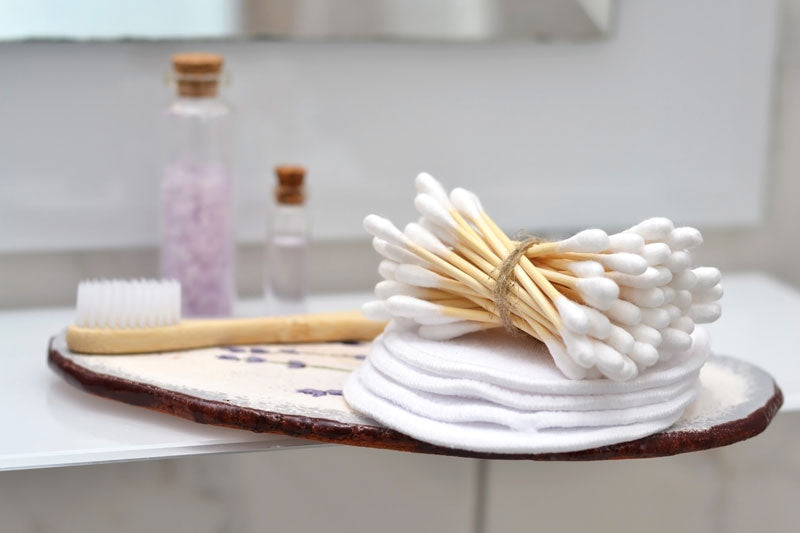
Plastic cotton buds are one of the most common types of waste in the sea. A ban that came into effect in early 2020 gave the company 6 months to use up stocks of plastic cotton buds and make them disappear. Zero waste and zero plastic advocates have long since replaced them with oriculis, flat bamboo sticks that scrape earwax. Ear cleaners of this type can also be made of stainless steel, made of a rod with a tip resembling a mini spoon, or with a spiral end to clean the canal. These extremely durable tools are more environmentally friendly than a lifetime of cotton buds.
But now two new types of cotton buds are arriving that are considered eco-friendly: cardboard buds and washable silicone versions. Are they eco-friendly? Analyzing their life cycle is not easy. While these cotton buds made of paper, cardboard or bamboo are biodegradable and can be thrown away, and even composted, they use cotton, the cultivation of which requires a lot of water and the processing is not always eco-friendly. As for washable silicone cotton buds, they do not use cotton, but are made from chemicals and are also sold in plastic boxes. Even if they are washable and durable, isn't it better to do without plastic? Here again, choose committed brands and identify the manufacturing countries to buy as locally as possible.
The cup: the plastic exception
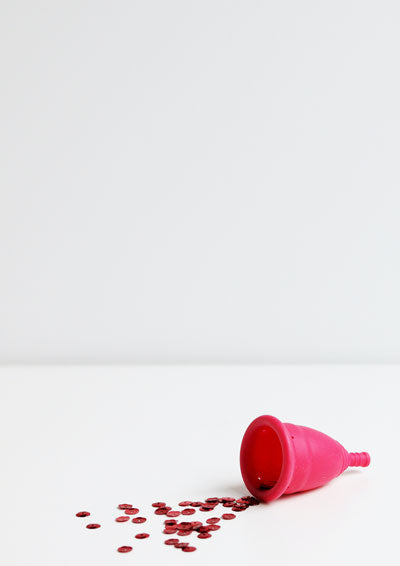
If the material remains the number 1 criterion, wood and natural fibers being generally more virtuous than any plastic, in the bathroom the menstrual cup is an exception. Its lifespan can exceed 10 years. It is very profitable, both from an ecological and financial point of view: in a few months, it is the saving of dozens of sanitary towels and tampons thrown away.
The new generation of beauty tools and accessories are either of low quality and not very ecological, manufactured far away and without concern for the planet, or on the contrary of an eco-responsible trend. The latter opt for healthy materials and from a clean process.
To choose them, the price is a good indicator. Expensive, it is an investment in a luxury product that really lasts. Indeed, replacing a disposable product and its packaging with an object is only really interesting from an ecological point of view if it is kept for a long time.

Clean & hair: instructions for use
Shampooing and applying a mask, spritzing a little hairspray before heading out to eat is all well and good, but how can you be sure it's really healthy? Our Clean Beauty tips... Without splitting hairs.

It's true, there are many components to avoid in the vast range of hair care products that you love so much. And it's not easy to remember the long list of these components to avoid. All hair care brands have launched, with varying degrees of success, into the race for "green". Sophie Macheteau, a specialist in natural cosmetics and founder of the blog suzanegreen.com, gives us an update to sort out the truth from the lies, find out which components to avoid, smart alternatives and Clean homemade recipes .
What ingredients should be avoided in shampoos and hair care products?
The list is unfortunately very long!
First of all, I recommend banning shampoos with sulfates : mainly sodium lauryl sulfate (SLS) and sodium laureth sulfate (SLES). Sure, they create a nice lather, but they are aggressive and drying for the hair. Fortunately, there are now many sulfate-free formulas for the happiness of our hair! Also avoid formulas containing mineral oils (from petrochemicals such as paraffin), silicones and polymers (dimethicone, amodimethicone, acrylates crosspolymer) which gradually suffocate the hair, weaken it and make it more brittle. These synthetic compounds are non-renewable and non-biodegradable sources. Not great for the planet!
Methylisothiazolinone (MIT) and methylchloroisothiazolinone (MCI) should also be avoided, as they can cause serious skin allergies. And of course, avoid formulas with parabens , suspected of being endocrine disruptors , as well as synthetic fragrances and dyes that contain many allergens.
So what are the alternatives in terms of components?

For shampoos, it is better to turn to gentle formulas without sulfates and organic (certified or not, but in this case, you need to know the brand's values). Whatever the care, avoid formulas that are too long, which can turn into a real "allergenic cocktail". Bet on brands that turn to plants (without greenwashing) and that offer products with natural active ingredients that will take care of your hair (for example, wheat or rice proteins, plant oils and ceramides, plant silicone from algae, etc.).
What are your essential and simple “homemade” recipes?

The basis of hair care is shampoo. For people who want to prepare it themselves, I recommend using a neutral organic, vegan and palm-free shampoo base, in which it will be possible to add 1 or 2 natural hair active ingredients: for example, plant-based salicylic acid in case of dandruff, vital maca in case of limp hair, bisabolol in case of itching. Personally, I prefer to make powder shampoos (very ecological because they are water-free) using plant powders that naturally contain saponins (molecules with natural surfactant properties that are similar to soap) such as shikakai, the famous Ayurvedic "shampoo plant". I combine shikakai with plant powders that provide hair care. For example, reetha for its detoxifying and purifying effect, neutral henna which detangles and boosts shine, amla which strengthens and stimulates growth. The same goes for care.
And what about lacquers?
They are primarily aerosols and that is not very eco-friendly. Hairsprays propel the styling substances of the product into the air, by micro-diffusion, but also the volatile organic compounds, from the propellant gases. This is why it is recommended on the labels to use them in well-ventilated rooms. Which is never a good sign. Definitely prefer styling sprays in natural sprays without gas.
Dyes = asphyxiation?
Yes, permanent or long-lasting hair colors are necessarily aggressive for the hair and scalp. They generally contain p-phenylenediamine, which is sensitizing and irritating. The alternative is to use plant-based colors that cover gray hair less well but are incomparably greener.
As a general rule, remember that the ingredients that appear at the beginning of the list of components on the labels are the most present in the formula, even if the percentages are not specified. So, open your eyes and be demanding, without losing sight of the pleasure of caring for your hair.