


The health benefits of nature
Don't we say "go and recharge your batteries in nature?". Without really identifying this well-being felt, nature does us good. It is now proven by numerous studies: contact with nature brings many health benefits, both physically and mentally. We explain why and how to benefit from the powers of nature.
As close as possible to nature
When we talk about nature and "contact" with it, we are talking about different interactions. Indeed, nature , as opposed to the city, represents everything that is plant-based, wild, free of constructions. We are talking about an environment where natural elements such as the sea, a river, a tree, a mountain, are present. An environment where we can feel them, like hearing or smelling the wind, the rain, the thunder. This contact is an interaction that brings the 5 senses into play, together or not. The blue of the sky, the sound of the sea, the touch of the earth, the scent of cut grass are all signals that bring a feeling of happiness and calm. Simply installing green plants near you brings serenity and better oxygenation. In English we even talk about "green vitamin", the green vitamin, in reference to the stimulating effects of nature on man, which could be administered in cures or in a simple daily dose!
Nature, in what dose?


This "dose" can be achieved bya walk in the forest, a coffee break in a park rather than in the cafeteria. Like a medicine, we can modulate the frequency and duration to increase the benefits. This need for time in contact with nature, to "experience" it through our senses, is a fundamental need of the species. A need that has been ignored for too long and impossible to live in urban lives where sedentary lifestyles reign. Losing this contact with nature regularly results in a lack that can be felt on health. This is what scientists call "the extinction of experience". According to a study by the Universities of Exeter (United Kingdom) and Uppsala (Sweden), 2 hours per week in nature is enough to already observe well-being and positive health effects. Remember: gardening is a particularly anti-stress activity since it combines exposure and direct contact with nature with a satisfying and rewarding action.
The city, source of our ills?
Man is probably not made to live without nature. We have also kept from our past a reptilian brain that always expects to be surrounded by light, green, blue, noise and that has a hard time evolving in a gray world, filled with artificial noises. In fact, the thermo-industrial civilization, which has made almost all traces of nature disappear in the city, does not date from so long ago. It forces man to adapt to aggressions perceived by his brain, to an exhausting and permanent urban over-stimulation where the 5 senses are saturated with images and smells, pollution, horns, agitation… Sight, smell, hearing are subjected to enormous stress, which keeps the body in a state of permanent alert. Subjected to so much anxiety, loss of concentration, overheating and mental exhaustion, some organisms can experience depression and psychological disorders. That's why it's no wonder we feel so "relieved" when everything stops when we go out into nature! Good news: this antidote works almost immediately!
Reconnecting with the very heart of this precious nature is not a whim or a snobbery of modern urbanites, but a visceral need and a remedy for many ills. Specialists have dubbed this instinctive and primary need, “biophilia”.
Walking in nature: an antidepressant

Many studies have focused on the benefits of walking in nature. One of them shows that five minutes of exercise or walking in a park, in nature or in a green environment on a regular basis has beneficial effects on mental health! Walking in a green space is a way of putting the brain on pause, literally. In fact, a researcher observed that at the end of a walk in nature, the prefrontal cortex is less active, whereas it is very active when we are depressed. A walk in nature regulates emotions, improves mood, and calms by reducing rumination and anxious thoughts. It rests the mind , but also the body: blood pressure remains stable during a walk in the forest, while it increases if we "walk" in the city near a road, as do the heart rate and the level of cortisol, the famous stress hormone that the urban environment stimulates. The benefits of sport are greater when practiced outdoors. Neuroscience even confirms that proximity to nature prevents the onset and worsening of neurological and psychiatric conditions.
Better attention and concentration skills
Thus, spending time "outside" , in the countryside, improves cognitive functions and alleviates psychiatric disorders. Even more incredible: observing a natural space has positive effects on attention and concentration abilities! This is what an Australian study demonstrated by asking students to do an exercise after having observed a concrete space for some, versus a flowery green space in the city for others, for... only 40 seconds! The guinea pigs who looked at the flowers performed significantly better, which demonstrates the positive sensitivity of the brain exposed to nature. This "airy" brain, which sees its area dedicated to cognition and the organization of tasks stimulated, achieves greater creativity. These results make it possible to "naturally" help children suffering from ADHD, the famous Attention Deficit Hyperactivity Disorder. These disorders, particularly disabling at school where concentration and immobility are required, are alleviated by sports activities or simple walks in a green space. This also makes it possible to reduce the chemical treatments often administered to treat these disorders.
Facing the sea, a soothing nature
It's not just "green" that has a "well-being" effect on our metabolism: proximity to the sea is also very effective in boosting low morale. Here too, the 5 senses are important: feet in the sand, the sound of the waves and the surf, the feeling of the wind on the face, or salt water on the skin. The sea is definitely an excellent remedy for (almost) everything! But even more, it is its contemplation that provides a profound calming effect. Everything that the body and brain perceive at the seaside would have a more intense effect than that of green spaces! Looking at the blue expanse of the ocean would therefore be at the top of the famous nature experience: a super dose of positive effects on psychological disorders, stress , anxiety, depression, lack of sleep . Disorders that are also less frequent among inhabitants of coastal areas. The same phenomenon occurs when observing an isolated mountain lake, which is more conducive to meditation and serenity than a lake where human activities are carried out. In fact, the more pristine and wild the site, the more beneficial the effects.
Looking to nature to reduce violence

We understand why nature is a great tool to reduce violence in highly urbanized and overpopulated areas. Indeed, if nature reduces stress, irritability, naturally facilitates sleep, it also helps reduce aggressive behavior.
An American study showed some of the prisoners in a high-security prison images of nature several times a week. Following these videos, the researchers noted a decrease in aggression, violent behavior and signs of nervousness among the prisoners for several hours after the session. An observation confirmed by the prison staff who noted, after a year of this experiment, that the prisoners who benefited from images of nature had fewer behavioral problems. So if you are in a foul mood and do not have direct access to nature, watch some videos of flowery fields, forests or mountain waterfalls to calm down!
Diversity and a precious and protective sun
Beyond the positive effects on the mind, living in or near nature allows the body to be exposed to a wide variety of substances that stimulate its natural immunity. Whereas in a hygienic environment where humans are not or are only slightly exposed to microbes, the body more easily develops allergies or inflammatory reactions. Yes, the body is strengthened by contact with nature, provided that biodiversity is significant and the environment is free of pesticides! The loss of biodiversity would also lead, due to a lack of exposure to certain microbes, to an infection of the microbiota, which can lead to the development of diseases, due to the body's lack of knowledge on how to protect itself from them.
Finally, exposure to natural sunlight is the only one that allows the body to synthesize vitamin D thanks to UVB rays. The procedure to follow: expose yourself to the rays for 15 to 30 minutes, twice a week. Vitamin D then plays a preventive role against osteoporosis and bone decalcification but also against the onset of cardiovascular diseases and certain cancers. Finally, the inner peace brought by a sunset or sunrise is no longer to be proven, you just have to experience it!
In the office, long live air-purifying plants!

If you can't escape to a park for your lunch break, you can always surround yourself with plants: their presence doesn't replace a walk in the forest but it does have a calming effect. Studies have even shown that having plants in the workplace reduces the frequency and duration of sick leave! There are even so-called "depolluting" plants to combat illnesses caused by indoor pollution : asthma attacks, allergies, headaches. In fact, indoor air can be up to 10 times more polluted than outdoor air due to pollution but also to emissions from paints, coatings and micro-particles of artificial materials, the famous VOCs (Volatile Organic Compounds), which we breathe all the time. Indoor plants are a guarantee of good health. And don't forget that natural materials in decoration, such as wood or minerals, also provide a protective and reassuring feeling.
“Going green” to heal: therapeutic gardens
After an accident or illness, convalescence is faster when it takes place in a natural environment. The simple sight of a natural landscape through the window already has a positive effect. Studies prove that hospitalized patients heal faster if they have a window "with a view", on the outside, on a park for example. Several studies and the advancement of neuroscience have confirmed this data so much that therapeutic gardens are emerging. The beneficial effect of nature also reduces the sensation of pain, the taking of painkillers is reduced and the healing process is accelerated. The benefits of these gardens are such that they are being established in retirement homes for their virtues on neurological degeneration such as Parkinson's or Alzheimer's disease. The "art, memory and life" therapeutic garden at the Nancy University Hospital, which defines itself as "a space with therapeutic aims for people suffering from Alzheimer's disease" has demonstrated its direct action on the disease through improvements in the autonomy of patients, their cognitive abilities, their sleep, a reduction in aggressiveness and agitation.
Sylvotherapy: vibrate with the trees

In the art of recharging one's batteries with nature, the action of touching or "hugging trees" is well known. The proximity of trees lowers the heart rate and stress hormones (cortisol, adrenaline). In short, trees calm us! Mindful walks, in physical contact with trees, bring all the possible benefits: reduced anxiety, better concentration, clear ideas, reduced anger, better mood, reduced signs of depression... According to some studies: "frequenting" forest areas would have an effect on our cells in charge of fighting cancer cells and would therefore strengthen our immunity against the disease. In short, for our health, we should all have a tree at home!
There is no more time to lose to expose yourself to nature or transpose nature into your life! But you still have to be aware of the therapeutic power that such a remedy, free and unlimited, has for our modern ills! It is up to us to listen to what our instinct tells us quietly, to what our body and our head feel when in contact with nature: it does us good! So let's cultivate it, protect it and think about it when things are not going well: a dose of green or blue to feel better!

Does a clean spa exist?
Imagine: “A slot for a Californian massage? Yes, Tuesday, 3 p.m.?” Okay, but on condition that the spa is… clean. But what exactly is a clean spa?


It starts with a small drop of water and ends with a totally eco-managed, eco-citizen, ecological spa, ideal. But if it's what we all dream of, it's currently "work in progress". The intention, the will, the desire are combined with ecological materials driven by the determination of the management of these "eco" establishments. Explanations from Pauline Picaut, trained osteopath, co-founder of the new Spa Clemens .
Why a clean spa?
It is the desire to create a new "clean" aquatic wellness space which by definition is not really clean. " 2 years ago, we wanted to make a clean spa in a reasoned way, with very strict constraints in terms of eco-responsibility. And this, starting from an almost blank page because to date there are no (or very few) specialized architects, specific materials for aquatic spas. We had to do a lot of research by ourselves. As the daughter of a farmer, in love with and respectful of nature, I could not imagine being in any other approach " insists the young woman.
Concretely, a clean spa is…
According to the founder, you have to list all the needs of an aquatic spa and look for all the eco-responsible alternatives each time:
Responsible materials: everything had to be made in France, from eco-managed forests for the parquet, from ethical companies for everything else.
- Redesigned swimming pools : In partnership with a pool specialist, we need to find a way to use as little water and detergent and toxic products as possible. The solution for the 5 swimming pools at the Clemens spa? An ultraviolet tunnel to limit chlorine consumption. A constraint that requires more space, a significant investment given the price per square meter in Paris. " Then, we determined that, for impeccable hygiene conditions, we had to empty thirty liters of water per bather per day. Instead of throwing it away, this water goes back into our sanitary network to supply the toilet flushes. We use the water a second time before throwing it away. In the end, water and chlorine consumption is lower ."
- More ethical linen management : as the maintenance of bathrobes consumes a lot of water and energy, only towels should be used. " We even encourage customers to bring their own towels, which is manageable since all the spaces are private. So there is no hygiene problem with these towels from outside because we clean each space after the customers have been there, " reassures Pauline. And as for the spa towels, they are made of recycled cotton, a little less soft but more eco-friendly. " If we explain to customers why, it doesn't bother them! On the contrary, they welcome our commitment and are happy to take part in it ."
- Greener showers : Shower gels and shampoos arrive in large containers and the dispensers are filled at the spa.
- Less energy-consuming lighting : you should opt for low-voltage lighting but also for detectors that allow the cabins to turn off and on when customers pass by. The wax candles are made in France and the fake candles are all rechargeable, not battery-powered, with a long lifespan.
- Reclaimed furniture : avoid new. At the Clemens spa, everything was found by the Thiste interior design agency (founded by Thibaut Poirier, a Parisian interior designer). From the 1950s armchairs to the tables, stools, and dressers, everything is vintage. "We asked the interior design agency to buy as few new things as possible to give objects a second life."
- The masseuses' swimsuits are special : since the vast majority of massages are done in water, the practitioners wear swimsuits. It is better to choose a clean and recycled textile , such as Econyl, a recycled fiber from fishing nets abandoned in the oceans. "We are cleaning the oceans at the same time!" rejoices Pauline.
- Compostable slippers and tea bags : and what's more, tea towels have definitively replaced paper towels, which are too polluting.
Finally, but above all, we must share this “clean” ethic with our employees. “ We cannot respect the planet if we do not respect our employees .”
Other clean spas…


- L'Occitane spas also deserve this name. They use traceable and eco-friendly materials that save water. They use organic cotton linen from eco-managed plantations.
- The Parisian spa Weleda has planted one of its walls to purify the ambient air. The eco-friendly paint also guarantees lower indoor pollution.
- The Yves Rocher eco-spa in Brittany, in La Grée des Landes , is nestled in the heart of nature. Its rooms are insulated by green roofs guaranteeing real energy savings. Energy partly provided by wood boilers, heat pumps and thermal solar panels. But to go further, the Breton brand also uses materials such as hemp, cellular concrete (without volatile organic compounds, non-fibrous and non-combustible).
The way is open, spas now know the path to “clean”, even if the appropriate label has yet to be created.

The well-being secrets of Céleste Candido, naturopath, pioneer of fasting in France.
After a career as a model and sales manager in fashion, Céleste Candido became passionate about well-being andbalanced nutrition . She trained in naturopathy and the Living Food philosophy at the Wigmore Health Institute in the USA. We met this pioneer, a specialist in fasting cures, to share her principles with us.
1 - First of all, how were the first fasting cures received?
It was over 20 years ago. I was one of the first to offer fasting in France, the third to be exact. I had been practicing this discipline for some time and the results convinced me to change my life. I gave up fashion and sewing, fields in which I had worked for several years, and I went back to school to become a naturopath.
Thanks to a meeting in a wellness salon with Mireille Darc, we formed a nice friendship. She was a fasting enthusiast. She then decided to help me make myself known and develop this activity.
On the public side, apart from a few people who were already really initiated, fasting was considered a way to lose weight.
On the government side, Miviludes, the body that observes and analyses sectarian phenomena, had classified me as the creator of a non-dangerous sect. A categorization that had no consequences.
2 - During your treatments, you recommend a new lifestyle, what is it?
Thanks to my studies in Naturopathy , I became interested in everything related to well-being. The human body fascinated me and I wanted to learn more and more. As I learned, I personally followed the principles. I quickly realized that this way of life brought me back to the essentials and to common sense: Being and consuming responsibly , taking time, eating well, walking,hiking , sunbathing and sea bathing, respecting myself, respecting others as well as Nature .
3 – For you, digestion time is one of the keys to a healthy diet, why?
First of all, you should know that the digestion of certain foods begins in the mouth , even if you have to respect the stomach digestion time, which is obvious and logical.
When we are digesting, we cannot ingest other foods because the chemical transformation process is already underway. Then, since not everything is digested in the same place, there are different digestion times that must be respected. Food that is not in the right place at the right time will remain blocked and create digestive conflicts.
4 – You recommend drinking before meals, how do you justify this habit?
The keys to a healthy diet start before the meal. We sit down and take time for ourselves. If I recommend drinking water 10 minutes before the meal, it is so that this water is well "bioavailable". In addition, the gastric juices that will be used for digestion will not be diluted, which preserves an energy gain. Digestion is then shorter, without bloating or gas, without feeling the urge to take a nap.
5 – Regarding fruits, do you recommend eating them in the morning and between meals?
Eating fruit in the morning and between meals is explained by the fact that fruit does not need digestive enzymes to be assimilated by our body. Indeed, fruit is a food that is very rich in enzymes, which is why we have difficulty storing and transporting it. A fruit that is handled too much or packed too tightly against others will begin to self-digest (and therefore ripen) too quickly.
When we chew fruit in our body at 37°, the enzymes that develop are sufficient in themselves. It then becomes very tricky to mix them with other foods that are not assimilated in the same way. I am thinking of animal proteins that will stay 3 to 4 hours in the digestive system, seafood that will stay 8 hours in the stomach while starches and lipids only spend 1h30. These mixtures will quickly create fermentation: gas, bloating and loss of energy. However, there are exceptions such as the combination of apple with starches, or pineapple and papaya with animal proteins, which improve digestion.
6 – You mix raw and cooked, why?
Eating raw and cooked is very important. First of all, raw is filling because it forces you to chew and cuts your hunger for a while. It takes about 20 minutes for the satiety signal to arrive. We must not forget that our precious vitamins are lost during cooking, so when vegetables and fruits are cooked, they are free of them. I am a fan of Raw Food , which is impossible for some people on an energy level. Indeed, their tired intestine has difficulty digesting raw fibers.
7 – Animal proteins only once a day and preferably in the evening, why?
We consume too much animal protein that acidifies the body and brings a lot of waste. For example: 100g of steak provides 17g of protein but 30% of this energy intake is used for digestion. To maintain the acid-base balance , it is advisable to consume protein with leafy vegetables, but also a little starch.
Consuming proteins, preferably in the evening, with vegetables helps with weight loss and does not risk creating digestive conflicts. Be careful, you must wait at least 12 hours between the end of dinner and breakfast. This is a dietary principle to practice all the time. And if you eat dinner too late, you do not have breakfast, and you make up for it at lunch. Observing these 12 hours will allow the body to rebuild itself well and have time to eliminate.
8 – Do you also recommend avoiding sugar at the end of a meal?
Sugar at the end of a meal is a small disaster that will create fermentation in the stomach and intestines. This very quickly results in a loss of energy, gas, bloating and acidification of the body.
9 – Do you also ban refined foods?
Refined foods are low in nutrients and high in sugars. The process of refining grains and sugar alters the fiber and acid-base balance, so the sugars are more quickly absorbed and have a higher glycemic index, which leads to cravings and weight gain.
Other refined foods like oils and salt, which cannot be assimilated, will acidify the body.
To maintain this acid-base balance in the body, we draw on our alkaline reserves, which are the bones and teeth, which leads to demineralization of the body.
10 - Apart from diet, what are your recommendations?
Physical exercise and stress management. Doing physical exercise regularly boosts vitality and therefore the ability to eliminate. Breathing in a place with good quality oxygen improves the combustion of light acids that come from cereals. I recommend practicing Yoga , Chi Gong but also brisk walking for more than 30', or dancing alone or with others with the window open, in a garden, in a wood or facing the sea.
Stress management is achieved with cardiac coherence . It's easy: 5 minutes two to three times a day is a real treasure for health. This particular breathing recharges the body with dopamine, which makes it calm, happy, and regulates blood pressure. Its regular practice lowers cortisol levels and increases DHA, the hormone of youth. No more premenstrual symptoms such as irritability and depression. With this cardiac coherence technique, sleep is improved and the management of emotions as well. I was lucky to have known David Servan Schreiber who introduced me to this technique that I have been practicing for over 20 years.
Tenerife, Brittany, Crans-sur-Sierre, Formentera… Come and discover Céleste Candido’s fasting cures .
To read: ABC of Fasting Grancher Editions by Céleste Candido

Interview with GALYA ORTEGA: Why is reflexology so effective?
This therapist is a pioneer of holistic care and energetic approaches in the field of well-being. Massage trainer, creator of signature massages for major cosmetic brands and renowned spas and author of numerous books *,
Galya Ortega explains why reflexology is so effective and famous worldwide. With tips for practicing this technique yourself, at home.


Why do you consider reflexology to be a truly unique technique?
Because it is the most practiced massage in the world. It has many physiological effects and a powerful psycho-emotional power. In addition, it is a practical technique, no need to undress. An advantage for hospitalized, sick and elderly people. This massage "of the parts for the whole" (that is to say that by massaging a single part of the body, we have an impact on the entire organism) is above all a holistic method. Finally, reflexology, Chinese in particular, is very effective in relieving many ailments.
Why are there so many reflexology methods all over the world, and since the dawn of time?
Reflexology exists all over the world and dates back to the dawn of time. It was already practiced in the Egypt of the pharaohs. The geishas of the Chinese emperors practiced reflexology before going to bed to be full of energy. However, the techniques are very different depending on the continent. The Chinese method, very rigorous and very medical, hyper-structured, belongs to a learned medicine whose writings, dating back more than 4000 years BC, are still alive and taught. In India, reflexology is practiced on the foot with a bowl made of 5 metals, to reduce the internal fire, a detox of sorts. Thai reflexology, which is practiced with wooden styluses, is very revitalizing.
What are the therapeutic indications for reflexology?
When the mapping is very precise, as is the case with Chinese reflexology, the therapist can work on vital functions. He targets the organ but also the function through the meridians. Indeed, in Asia, the impact on the mind is very present alongside the physiological impact. Because each organ has an emotional function. For example: the liver is linked to anger, the lung to sadness, fear attacks the kidneys and the bladder. When the reflexologist puts the patient back in a state of harmony, there are healing and well-being processes that take place naturally. But for that, you have to consult real specialists, reflexology experts. And to identify them, nothing replaces the internet and its forums with their stories of experience.
Can everyone benefit from reflexology?
Apart from pregnant women and people with infectious diseases (because the detox effect could trigger a flare-up of inflammation), everyone can benefit from reflexology. This includes the elderly and children. One small drawback: those who are very sensitive to tickling in the feet do not tolerate foot reflexology well.
How to practice reflexology yourself at home?
You can practice reflexology yourself on your own body by self-massage, or on another person. You can massage the feet but also the hands, face and stomach. However, you should know that in self-massage, the energy "goes around in circles" because the therapist is not there to short-circuit it, or even "recycle" it. Which explains why in this case, you can only expect a relaxation benefit but no therapeutic result. Finally, some people who are a little stiff will not be able to access their foot.

Which massage to choose?
Nothing is more divine than a massage. You just have to know how to choose it according to your needs and desires...to reach Nirvana.
Beyond a reduction in stress and a feeling of well-being, scientific studies prove that massage causes real biochemical changes in the body, right down to the heart of our cells. This explains an anti-inflammatory action, an improvement in blood circulation and a strengthening of the immune system. Massage , a manual technique that is over 3000 years old, appears today as a real therapeutic gesture. On condition that you put yourself in expert hands and choose the right technique. To help you, here is a quick tour of the world's most famous and recognized massages.
Shiatsu massage

It is a Japanese manual technique that uses finger pressure at the reflexology points of the body. Based on the principles of Chinese medicine, it relies on a vision of the body as a whole, which is defined through meridians traversed by vital energy.
This massage is a preventive treatment to stay healthy. It particularly targets the nervous system which it rebalances and thus puts the entire energetic and psychic system of the body back on level. It provides immediate results on stress, relieves pain, improves sleep , reduces muscle tension and digestive discomfort . For those who want to repair their body, rebalance it and recover new energy.
Swedish massage
Swedish massage was born from the hands of a Swedish doctor Per Henrink, first known for his famous Swedish gymnastics, taught at the beginning of the 19th century in his school in Stockholm. It is thanks to his son that his massage was made known throughout the world in 1900. Swedish massage is based on anatomical and physiological knowledge of the body, ancient Nordic gymnastics, fencing and ancestral massage techniques. If today, this massage is still inspired by the initial movements, it leaves the therapist a part of personal initiative. Which explains why it is different depending on the practitioner.
Swedish massage is practiced to reduce muscle tension and release joints through different maneuvers (effleurages, frictions, kneading, etc.). An emblematic massage for athletes , it allows them to recover faster by relieving tired muscles, especially by stimulating blood and lymphatic circulation which eliminates toxins due to effort. Most often, it is practiced with essential oils to optimize the recovery of athletes.
Californian massage
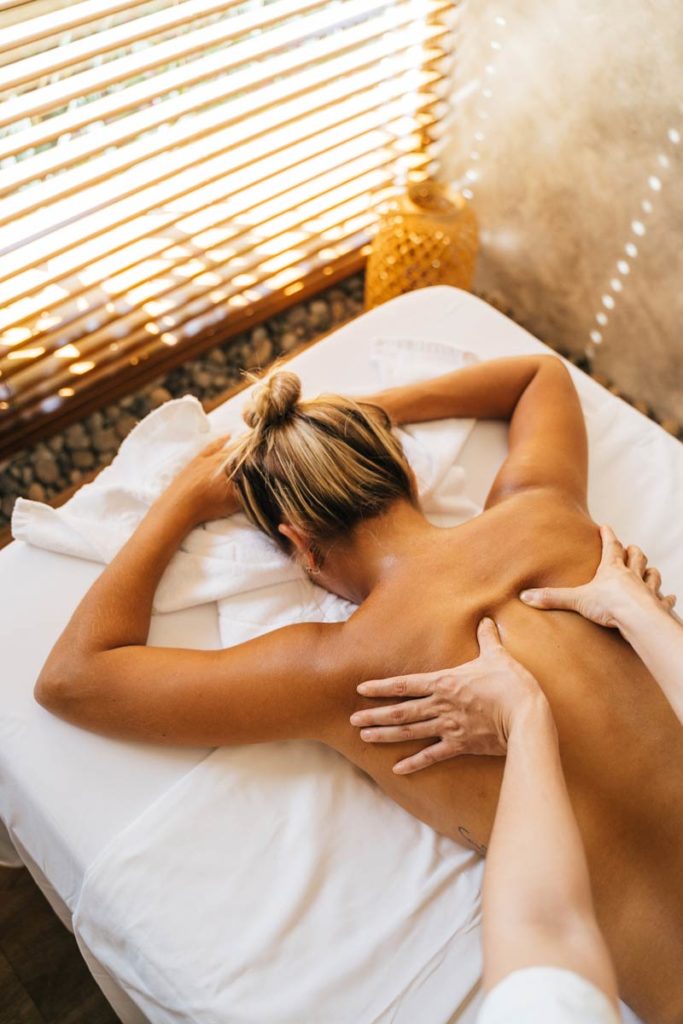
Born in the 1970s in California, it was developed by Magareth Elke to offer a real moment of relaxation, a complete release of the body and mind to his patients. The success of the Californian massage comes from the many benefits it brings, mainly relaxation. The slow and fluid movements, enveloping and gentle, bring a state of deep appeasement, a total abandonment until really falling asleep during the session. It is done on a completely naked body with oils. The maneuvers are aimed at all parts of the body and start with the back and neck. The therapist who treats the entire body will insist on the most contracted regions to release tension. Letting go explains the slowing down of breathing and heart rate. Ideal technique for the stressed, the anxious, the depressed, the insomniacs and all those who suffer from back pain or who are looking for well-being, both physical and psychological.
Thai massage

This massage originated in Thailand, when Indian Buddhist doctors and monks arrived in the country more than 2,500 years ago. Holistic, it has been passed down orally over the centuries within families and in Buddhist temples. It has also been largely influenced by traditional Chinese and Ayurvedic medicine, as well as yoga and meditation .
The origins of this massage explain the three stages of its progress. Exercises inspired by yoga postures between the therapist and his patient follow one another in a fluid but dynamic rhythm to soften and untie. Then, an energetic sequence is carried out with massages and pressure on very specific areas (corresponding to the meridians, energy lines of the body). The masseur uses, depending on the region, his palms, fingers, arms and even his feet. The session ends with a moment of meditation. This technique of stretching and pressure in coordination with breathing releases muscular tension, energy blockages to restore flexibility and harmony to the body. The state of relaxation also soothes the mind.
Balinese massage
Its origin is in Bali, Indonesia of course. It is a clever mix of different techniques from Indian, Indonesian and Chinese massages, with some principles of Ayurvedic medicine that explain its relaxing but also therapeutic virtues. It is based on the three elements - air, water and fire - which are associated with the nervous, digestive and hormonal systems.
The Balinese massage, deep and complete, is performed with essential oils of jasmine, sandalwood or ylang-ylang. It is both relaxing and energetic, powerful and invigorating, to find a beautiful and powerful energy. The therapist massages the entire body and begins with kneading, effleurages, frictions with the thumbs, palms and forearms. The maneuvers are gentle and stimulate the main energy points of the body. They improve blood and lymphatic circulation to eliminate toxins. Which is at the origin of the revitalization of the body, the relaxation of the muscles and the mind. The Balinese massage particularly solicits the hormonal and digestive systems to balance them. Recommended in case of insomnia, headaches or joint pain, especially lower back pain. The depth of its pressures makes it an excellent indication for repairing sports injuries.