


How to turn down the heat without freezing?
The planet's temperature is rising dangerously while the price of energy is also climbing very seriously. It is time to adopt more eco-responsible habits , including for our heating. Indeed, to save energy, some actions are counterproductive. Update of preconceived ideas to reduce your heating bill, without freezing.
A simple variation of a few degrees can be decisive. At the global level and according to the different scenarios of the IPCC (Intergovernmental Panel on Climate Change), temperatures on the globe could rise by 2° to 5° by 2100. This is far from the 1.5° objective decreed during the Paris agreements.
These few degrees too many are due to the increase in greenhouse gas concentrations which risk causing disasters: food and water crises , health problems and the proliferation of diseases, loss of biodiversity , rising water levels, etc.
A few degrees more or less also have a strong impact on the human body, which feels it immediately. According to the Effy website, two thirds of French people are cold at home even though the heating is on, and a household spends an average of 1,696 euros per year for this purpose. Heating represents 66% of a household's energy consumption. So how can we reduce this consumption without freezing?
Identify the right temperature

The right temperature varies depending on gender and different rooms in the house.
The comfort temperature
For a woman, the comfort temperature is around 25° compared to 21° for a man. Difference explained by different energy needs due to a greater muscle mass in men.
The temperature in the different rooms
For living rooms such as the living room, kitchen, dining room, the recommended temperature is between 19° and 21°. 16 to 17 degrees are enough in the bedroom for a quality sleep. And for the bathroom, 17° when it is not in use and 22° when it is. At night, you can reduce by 2 to 3 degrees to save money.
How to optimize ambient heat?
Some actions, supposedly useful for "conserving" heat, can be counterproductive. Here is a list of errors that generate a serious waste of energy :
Do not ventilate
It seems logical, you open the window, the cold comes in and lowers the heat. Well no, open your windows 10 minutes a day even if it's freezing outside. The walls won't have time to cool down and if this ventilation evacuates indoor pollutants and mites, it also reduces humidity. And drier air requires less energy to be heated.
Close shutters and curtains
Windows account for up to 15% of heat loss in your home. But closing shutters and curtains does not stop heat leaks and, more importantly, it prevents the sun from heating up the room.
Vary the temperature
Maintaining a constant temperature is more economical than constantly adjusting it according to the occupancy of the premises. If you are going away for a long time, lower it to 12°, but do not turn off your heating to avoid freezing in the pipes.
Turn up the radiators as high as possible when you come home.
Of course, turning down the heating when you are out makes sense to reduce the bill. But turning it on full blast when you get home to get warmer quickly will definitely lead to overconsumption. Ideally, do not turn it down below 15° during the day if you are not there and invest in a programmable heating system to heat up more half an hour before you return.
Use additional heating
A space heater is an effective way, but should not be used regularly. Not only does it consume more energy (especially the fan heater) but it also dries out the air and irritates the respiratory tract.
Cluttering the radiators
Avoid placing furniture in front of a radiator or turning it into a tumble dryer. And if the radiator is placed against a cold wall, it will lose even more heat. In this case, place a reflector panel behind it.
Neglecting insulation
A cold wall absorbs heat and explains the unpleasant feeling of discomfort. For example, in a room temperature of 20°, a wall at 14° provides a perceived temperature of 17°. If the wall is at 19°, the perceived temperature is then 19.5°. Hence the interest in properly insulating the roof and walls of your home , the main sources of heat loss.
Forget about boiler servicing
An annual inspection is mandatory for all types of appliances (wood, coal, gas, fuel oil boilers) with a power of 4 to 400 W. In addition to the risk of carbon monoxide poisoning, this inspection can reduce the quantity of fuel used by 8 to 12%.

Recycling in the city: 7 tips for refurnishing without spending a fortune
Between vintage decor and eco-responsible gesture, recovering objects in the streets allows you to refurnish without breaking the bank and with a clear conscience! Before you start, follow the guide!
A few years ago, one of my interns, who had just returned from New York, told me how, penniless, she had completely decorated her apartment by salvaging furniture (sofa, table, bed, etc.) from the street. I found this idea very strange, but she reassured me by telling me that it was very common in the United States. I probably kept this information in the back of my mind, because since then, I look at the bulky items left on the street in a different way.
Open your eyes
At the turn of a street, on foot or in a car, you can come across a little treasure abandoned by its owner at any time. The reason? A change of decor, a move, a sorting. Imagine... the city of Paris collects nearly 90,000 tons of bulky objects each year. According to the newspaper Le Monde: 43,000 sofas, 930 stoves, 4,600 dishwashers. Not to mention the mountains of small objects (all kinds of dishes, books, cushions, plants, etc.). Getting into recycling doesn't mean going through the trash, it's just keeping an eye out for objects left on the sidewalks that can still be used.
Watch for bulky items
The first thing to do is to find out when bulky items are collected. In some cities, the date is fixed (last Thursday of the month, every Monday, etc.) in other large cities (Paris, Lyon, Marseille) it is a case-by-case service. The individual makes an appointment and drops off their item in front of their house accordingly. When the day is fixed, all you have to do is walk around the streets the night before. In the other case, it is a matter of luck. Be aware that some streets are more "giving" than others. Indeed, some residents, who probably have to sort regularly, properly make items available in bags for those interested. Once you have found a "spot", all you have to do is walk past it a little more often than usual. Also know that there are days that are more conducive to recycling: Sunday and Monday after sorting out the weekend, the end of the month, the months of moving (from May to September) and the month of January after the flood of gifts.
Be creative

There are many tutorials on YouTube on "how to transform a piece of furniture" or "what to do with a wooden pallet". If you are not very handy, you can simply recover an object in excellent condition (this happens very often). Another possibility: give a new life to an object. For example, a high chair as a plant holder.
Avoid certain objects
Of course, there is no question of recovering everything and transforming your home into a junk shop. The easiest thing is to let yourself be tempted by an object that could be useful in your home. If in doubt, move on. Before taking the objects, check their condition and detect the presence of small bites on the furniture, signs of pests. To avoid bringing bedbugs home, avoid mattresses or box springs!
Clean up the little treasures
Once home, clean the objects well with a sponge and dedicated equipment. Also use a fumigation stick (sage, Palo santo) to remove all accumulated energies and make a clean space.
Follow the right accounts



On Instagram, many private accounts are entirely dedicated to recycling in the city. You will be amazed by everything that is found and recovered in the streets. How to fully equip a house without ever buying anything with the account @ tombes_du_ciel or @ la_recyclerie_des_merveilles or @ lrecycle_la_rue or @ merci_la_rue_ . What do these accounts have in common? Giving new life to discarded objects in order to limit waste and avoid the vicious cycle of consumer society (I buy, I throw away, I replace). Other inspiring accounts @ consommons.sainement @ defi_riendeneuf which share recycling tutorials and give tips for consuming better.
Equip yourself
If you are on foot, always take with you a small foldable bag, gloves (to inspect furniture and other objects) and keep your eyes open... tons of treasures await you!
Read more: La récup'facile by Aline Gubri (Éditions Leduc, €14.90).


How to buy second-hand?
We know it today: ecology is essentially based on our consumption. Our wallets allow us to finance virtuous products or, on the contrary, polluting ones. Conversely, buying second-hand allows us to save energy, resources and reduce CO2 emissions (which accelerate and worsen global warming). Not to mention the interest of second-hand prices which defy all competition!
Ecology: why buy second-hand?
The manufacture of an object or a garment requires not only raw materials which, to be used, require energy, but also a whole bundle of services, actions and resources (water, electricity, etc.). The entire process
Buying second-hand: the eco-friendly gesture to curb fast fashion
The fashion industry is the second most polluting industry after the oil industry. Thousands of ecosystems, lands or rivers are destroyed by toxic industrial discharges from dyes, especially in poor countries (manufacturing sites and legislation that are not very careful). In terms of resources, it is also terrible. Imagine: we are talking about 10,000 liters of water used to make a simple pair of jeans! The sandblasting technique that washes them out (sand projected at high pressure) is polluting, wastes water and triggers silicosis, an incurable and fatal disease in workers who breathe in silica dust. Even if this decried technique is supposed to stop, it is still practiced massively. Finally, the cotton cultivation necessary for the manufacture of denim is one of the most polluting in the world.
Bad luck, according to the WHO cotton represents 40% of global textile production, 25% of insecticides and 2.5% of cultivated areas. Worse, more than half of the cotton grown in the world is genetically modified. Organic cotton farming is more ethical and less harmful since it is grown without pesticides, insecticides or chemical fertilizers. But it still requires a lot of water. However, fast fashion encourages people to buy again and again these cheap cotton pieces, made on the other side of the world. Buying second-hand is a brake on this ecological disaster.
Buying second-hand: an anti-waste weapon!
Another major ecological argument in favor of second-hand products: using a product a second time instead of throwing it away avoids the creation of waste, which implies the use of packaging, plastic, etc. Waste that also requires a lot of materials and energy to produce. In reality, packaging should be considered as objects in its own right. Buying second-hand toys, for example, allows you to adopt a zero waste approach, but also zero plastic , or at least zero "new" plastic. Faced with a society of overconsumption, second-hand products have another advantage: sometimes offering new products that are still packaged, or in perfect condition. These lower-priced products have a virtually zero carbon footprint , which is reduced to the act of purchase and transport, generally local or national, and highly shared.
Buying second-hand on the Internet: specialist or general second-hand sites?


On the Internet, there are several options available to you.
- There are specialized sites like VideDressing.com Onceagain.fr for beautiful clothes, Percentil for second-hand clothes, and iletaitplusieursfois.com, micolet.fr or salopettepetitcol.com for pretty second-hand children's clothes.
- Others specialize in high-tech devices: Backmarket, yesyes, or even La Fnac "Reconditioned-and-used" tab for computers and phones. Most large groups are getting involved, so Darty also offers a second-hand equipment service. These sites provide a certain number of guarantees: working condition, brand or condition of the clothing, and simply the shipping. They are to be favored for a major purchase, such as a luxury item that could be counterfeit or a device that could break down.
- Generalist sites like leboncoin, eBay or Vinted, rely entirely on individuals who manage the ads and shipments. For small items like toys, books and clothes, you can find gems at lower prices and often new, with or without packaging. Book prices can sometimes be more interesting on specialized second-hand book sites like momox-shop.fr, recyclivre.com or www.chasse-aux-livres.fr: compare before you buy!
But you can also get good deals with more "involving" (more expensive) products. On leboncoin, typically, the offer of furniture from major brands in perfect condition (and even antique furniture), dishes, valuable decorative objects, etc. can allow you to furnish yourself entirely second-hand. If you make a mistake, or want to change your decor some time later, you can easily resell it, and sometimes at the same price (if you have taken care of your purchases). In the end, you can furnish yourself almost for free.
Tips for buying on Vinted
The app that has established itself in just a few years as the undisputed leader in second-hand purchases between individuals offers a world of opportunities in your phone and deserves some advice:
- Search: type in the right keywords and save what you find as favorites.
- Look at all the photos and read the descriptions
- If you have any doubts, send a question: the seller's response will guide your choice.
- Check the seller's profile: if he hasn't logged in to the app for 6 months (visible on his profile), there is little chance that he will respond to your message or send the item. Check his ratings to assess his seriousness.
- Feel free to make a price proposal (specific functionality) or to make a batch by consulting the other products in the seller's dressing room (functionality "batch constitution"). This will amortize the shipping costs.
Avoid listings with only one photo, a ridiculous price compared to the expected quality, or reviews that indicate that sales were not successful: this means that the product was never sent. Even if in this case you get your money back, it is a disappointment.
Tips for selling on Vinted
It is also very easy to sell your useless stuff on Vinted. You collect the money from the sales in the account... to buy back on Vinted (or possibility of paying yourself the money collected). You can really go into a "closed circuit", financing your new purchases with the money from your sales.
- Take care with your photos: make sure they are clear and show the product from different angles.
- Add keywords in the description to make your ad stand out
- Indicate any defects so that the buyer is not surprised
- Take care with the packaging, protect the product well, add a little note
Whether you are buying or selling, don't forget to leave a review on the site!
Buy second-hand from second-hand dealers, consignment shops or auctions
For lovers of antique objects, these are the channels to favor. Connect to online second-hand sites, auction sites like Drouot, etc. The same goes for modern designer furniture, jewelry, luxury leather goods accessories, etc. These serious places generally offer associated services such as delivery as well as invoices, certificates of authenticity, etc. These places offer good traceability and you can do real business there. The difficulty? Finding what you are looking for. You find better when you are not looking for anything specific! Or you have to be patient, and follow online sales regularly, to finally find what you were looking for.
Buy second-hand and in solidarity in “resource centers” or “recycling centers”

Have you heard of recycling centres? These new types of charity shops are popping up everywhere, often in the form of associations. They collect donations from citizens and sell all sorts of everyday objects at low prices: crockery, toys, books, musical instruments, small household appliances, etc. Sometimes furniture too, like at Emmaüs. Just look for addresses near you to donate or buy. You can find workshops there to learn how to repair broken appliances and a network of supportive people. The profits are donated to the association, which allows them to hire staff to run the store or carry out actions in favor of disadvantaged populations. It is the symbol of the circular economy par excellence!
How to buy second-hand clothes?
When buying for yourself, you have to project yourself into the garment (more difficult for a jacket than for a t-shirt). Look carefully at the cut, if the waistband is elastic, if the fabric is fluid, etc. The brand can also give you an idea of the quality, especially if you know it. In all cases, look at the condition of the item: pilling, relaxed fabric, cut deformed by wear can be disappointing. The ideal is to look for something specific: the more you know what you want, the more likely you are to be satisfied, especially for example if you buy back your beloved sneakers once worn out. This is even more valid for children : when you know the models of a brand, you can easily find them a size larger. Generally speaking, buying second-hand children's clothes is very easy, because the prices are attractive. And since children do not wear their clothes for long, the risk is minimal. A technique that can really reduce your budget.
How to buy used furniture?
It's a little different. In addition to defects such as scratches, marks, chipped paint or varnish that needs to be redone that influence the purchasing decision, it is the technical conditions of assembly and delivery that can change everything. A piece of furniture in a kit without its instructions, or with missing screws, will lead you into a great moment of solitude and irritation. Similarly, individuals do not deliver, so it is better to turn to geolocated sales such as on leboncoin to avoid having to pay a carrier. Finally, also be careful with designer furniture: it may have been repainted, modified or be replicas without you being able to check. However, they no longer have the same value at all if they have undergone modifications! Otherwise, many sites specialize in the sale of second-hand vintage furniture, such as selency, troc.com or izidore, which allow you to avoid buying new furniture that is often of average quality.
How to buy second-hand luxury items?

The problem here is first and foremost counterfeiting, of course. Whether it's handbags, perfume or jewelry , unless you go through a site that guarantees authenticity, there is a significant risk. Copies have become so close to authentic objects that it is sometimes very difficult to see them in a photo. Be particularly wary of profiles that offer only one or two products, with only one or two reviews: these are profiles that sell a counterfeit product and then disappear.
On sites that guarantee authenticity (the best option) ask if the product is sold with the original packaging, certificate of authenticity, warranty, etc. For watches, for example, an invoice may be requested to ensure repairs. It is not forbidden to sell without it, but it can be annoying later.
How to buy used household appliances or high-tech products?
If you buy on site, in a resource center/recycling center, it is easy to ask for a plug to check that the object works, and then having it in hand and under your eyes, little risk of bad surprises. Remotely, it is more complicated, here again, by going through an official site managed by a group, you can have an extended warranty which is very reassuring: the machine has, in fact, been tested and "reconditioned" by professionals. All that remains is to manage the delivery which can present an additional cost. On the other hand, between individuals, if you buy, move: if once on site the machine presents a problem, you can leave without it, whereas if the seller delivers it to you, he can then make a fuss if you refuse to complete the sale.
How to buy used cars and houses?
When it comes to cars, ecological concerns are similar to those of high-tech products: thousands of components go into manufacturing and just as many products are used. But governments are putting in place incentives for manufacturers to reduce their carbon footprint and produce more environmentally friendly models. Buying a used car avoids all the pollution linked to manufacturing, but can be more polluting in use than a new model, especially if the vehicle is really old. In some cases, the used market can offer very recent vehicles, with few kilometers on the clock. Here again, used remains preferable in the vast majority of cases ecologically speaking, over the entire life cycle, whether it is gasoline, diesel, hybrid or electric. Not to mention that buying a used car is much more profitable than buying a new car (which depreciates massively from the first year: loses between 15 and 30% of its value).
As for houses, know that the urbanization of natural territories is a real cataclysm for ecosystems, which are simply razed. Even if it seems strange to mention it, in comparison with clothing, know that the impact of these real estate projects is just as worrying. Indeed, construction materials are also extremely polluting: concrete is one of the most harmful materials there is. An extreme consumer of water, it is responsible for a large share of greenhouse gas emissions and thus contributes to global warming, not to mention the damage caused by limestone quarries and cement plants. The construction industry is highly destructive for the planet. Not to mention that real estate investment in old buildings is much more profitable than in new ones.
How to buy second-hand goods at a garage sale or street flea market?

This is probably the best travel/risk/price ratio. You can check on site, have the object or clothing in hand, the prices are generally very low, and finally, you avoid shipping costs. Advantages that are particularly valid for toys and children's clothes, which can sometimes even be exchanged between exhibitors if you participate in the garage sale yourself!
Yes, the world is changing. It is time to stop over-consuming, to buy less, but better, sustainable and above all, second-hand in order to limit our impact. It is one of the rare gestures, with the boycott of a product, to have a direct, measurable and immediate effect. When we see the mountains of discarded clothes washed up on the beaches or hidden in the Chilean desert after having polluted so much, and the computers piled up in the open air in a landfill in Ghana after having cost the planet so much in rare materials, buying second-hand is a solution for the future . Without a doubt!

Why is the lawyer so criticized?
The avocado is the symbol of healthy food par excellence: propelled to the rank of nutrition superstar for its many nutritional virtues, it is also found in several products as a guarantee of naturalness. But what about its cultivation and supply?
Avocado is rightly considered a superfood . With its good fats, unsaturated fatty acids, vitamins (E, K1, B5, B9, etc.), fiber, potassium, folate, copper, the avocado fruit (yes, avocado is a fruit) is also rich in antioxidants which gives it neuroprotective properties, in addition to many health claims, including its beneficial effect on the level of “bad” cholesterol, thanks to its oleic acid. It is so good for your health that it is even used in beauty products, so that your skin and hair can benefit from its benefits.
Lawyer Trend: Excessive Demand

This kitchen and bathroom staple is putting itself on display: it's everywhere on social media. This overexposure contributes to its notoriety and increases demand. The avocado is photographed in all its forms, from poke bowls to artistic slices that are recording record "likes". This fruit, which was voted the most popular food on the social network Pinterest in 2015, even has its own trend: shaved avocado promoted by Colette Dike (a culinary photographer based in the Netherlands) on her blog, then her Instagram account @fooddeco (115k followers). Her "food art" is thus dedicated to the naked avocado cut into thin slices organized for an artistic rendering: real edible paintings whose supply no one questions. An image containing food, interior, refrigerator, household appliances
The avocado, an ecological disaster

Having remained discreet for a long time, the avocado is now facing an exponential demand that has caused it to fall into a global trade with serious consequences. The explosion in its cultivation and transport has a harmful impact on the environment . Growing avocados requires the use of a lot of pesticides in the countries where it is grown, such as Mexico. And in addition, the avocado tree is a very water-hungry tree. It is estimated that a kilo of avocados requires around 1,000 litres of water. Grown in hot countries due to their climate, avocado crops have multiplied to the point of drying up the water tables, as in South Africa. Near Johannesburg, the Limpopo region has never been so short of water... while the ZZ2 farm, located in this area, is one of the largest exporters in Europe. This farm required the construction of a 30-kilometre-long aqueduct to capture water from the mountains and transfer it to the farm. So much so that this lack of water reduces the cultivation of corn that the country must now import, that cattle die of thirst, and that some South Africans still do not have running water. The same process is happening in Petorca, Chile, where the cultivation of avocados is responsible for the drying up of the river and prevents other farmers from having access to water. Finally, the expansion of crops leads to the deforestation of thousands of hectares, particularly in Latin America and Mexico, where entire forests are criminally burned to be able to cultivate avocados.
Avocado, a terrible carbon footprint
Finally, the carbon footprint of avocados is catastrophic because of transport. To bring avocados from producing countries to consumer countries (mainly Europe and the United States), they must travel by boat for almost a month, in refrigerated rooms, which requires a lot of energy consumption, and a high emission of pollution and CO2. But the impact does not stop there: once they arrive in the Netherlands, the avocados must be gradually warmed up to room temperature. The fruits spend about a week there to ripen them artificially using ethylene. Indeed, avocados naturally produce this gas, especially when they are near a heat source, which explains why we can help this fruit ripen by wrapping it in newspaper or placing it in the sun (or on a radiator). Finally, the avocados are sorted by workers at a hellish pace: 52 fruits per minute, according to a rather unflattering investigation by the newspaper “Zeit”. And what’s more, the fruits that don’t have the right shape (they must be identical) are simply thrown away.
Should we stop using avocados for the sake of ecology?
Mexico's "green gold" has thus been transformed into a "blood diamond". We must question the origin of the avocado and limit its consumption in part. We can turn to organic and as local as possible, for the French it will probably be Corsican avocados. We must also remember that the avocado is an exotic fruit whose season must be respected, like chef Romain Meder, who chooses French and Corsican, and only during their season. Smaller, they are also less common and more expensive, for a slightly less creamy flavor. The most ecologically committed can choose to do without them, like starred chef Florent Ladeyn who only uses local products, or Marlette cafés who have chosen to remove avocado from their menu for ecological reasons.
You have understood, most of the time the avocado that you will have in front of you will not be, but then not at all clean …. This is unfortunately the lot of many products when demand explodes. We must return to moderation by considering these products as luxury products whose consumption must remain rare.

Understanding the carbon footprint
What is our share of responsibility in terms of greenhouse gas emissions, in other words, our contribution to global warming ? It is to measure them that the carbon footprint exists, a measure of the impact of our activities on the environment in terms of CO2 emissions, a calculation that is not reserved only for companies!
What is the carbon footprint?
The carbon footprint is an indicator that measures greenhouse gas emissions.
In general, it is expressed in carbon dioxide equivalent (CO2e) of a human activity. It is the measurement of the volume emitted by the combustion of fossil fuels. We can therefore evaluate the carbon footprint of a company, but also of a territory or even of individuals, a group, a family, etc.
The name "carbon footprint" was chosen because carbon dioxide is the main greenhouse gas responsible for global warming. For all measured greenhouse gases (GHG), this global measurement is used in relation to CO2, which indicates an easy-to-interpret result. A country's carbon footprint can also be measured in relation to household GHGs (energy used for transport and heating), to the national production of non-exported goods and services, or to imported products and services.
Calculating the carbon footprint
The carbon footprint is calculated by assessing the direct GHG emissions due to the use of energy consumed by the company/group/individual in question, including the analysis of life cycles. The life cycle of a product is assessed by taking into account not only its impact during its use (direct emissions), but also that of its genesis, until its disappearance. We then include in the calculation the "indirect" GHG emissions which come from the supply of raw materials, transformation, transport, distribution without forgetting destruction, recycling or transformation after use. Inevitably, the balance sheet is then much heavier, but also fairer.
Carbon footprint and carbon balance
The term "carbon footprint" is a general term that indicates the measurement intended for individuals or any other group. Each country thus measures its greenhouse gas emissions in order to assess its carbon footprint and reduce its emissions (or compensate for them).
For companies , we rather speak of a "carbon footprint", a specific tool developed by ADEME (Ecological Transition Agency). This carbon footprint allows us to calculate the company's footprint by measuring its direct and indirect emissions.
In France, since the signing of the Kyoto Protocol in 1997, companies with more than 500 employees must carry out a carbon audit. In addition, all organizations must declare it and make public their impact and investment strategy. This investment strategy must take into account the national low-carbon plan decided by the government.
So what is the carbon footprint for?

Whether it is a company, a country or an individual, assessing its carbon footprint is the first necessary step in combating global warming . The objective is to identify the positions that emit the most greenhouse gases in order to develop strategies and take measures to change certain processes or habits, with a view to reducing these emissions. This approach makes it possible to assess the urgency to change, to seek new solutions that will have less impact on the environment. This calculation
What is carbon offsetting?
For a company, carbon offsetting (or carbon contribution) consists of committing to a project on the ground that will have a positive impact on greenhouse gas emissions: either by reducing them or by “sequestering” them.
Indeed, greenhouse gases impact the climate in the same way, regardless of their geographical area of emission. Each eligible company (specific industries) has a certain number of personalized "carbon credits", determined according to its potential CO2 emissions. If the company succeeds in reducing its emissions, it can resell these credits on the "carbon market" where 1 tonne of CO2 equivalent reduced or sequestered (i.e. CO2 that is stored instead of being released into the atmosphere) not emitted is equivalent to 1 carbon credit.
So, a French company can invest in a tree planting project for example, even on the other side of the world, and this can be counted in its favor: its positive impact can be converted into carbon credits.
Thanks to its credits, the company can then fulfill certain ecological obligations. These ecological obligations are valued as part of a policy to reduce greenhouse gas emissions, but cannot be sufficient on their own, nor can they replace the overall approach to reducing emissions.
This is how what is called "carbon finance" was created, which sets up, controls and accounts for all these approaches. These are all project developers, specialized organizations and labels that must intervene.
While this notion of carbon offsetting may seem a little hypocritical, it is not enough to justify an ecological strategy. But the creation of carbon credits makes it possible to generate other ecological and social benefits, where the projects are implemented.
Calculate your personal carbon footprint


If you are interested in trying this exercise, you should know that a large number of free calculators are available online. They mainly take into account the following GHG emission items:
- daily travel by all means of transport, as well as rarer travel such as air travel
- the characteristics of the household, its inhabitants, its size, water and waste treatment
- the energy used (gas, fuel oil, electricity, etc.) involving information on the type of heating, but also the insulation or even household appliances, machines, electronic devices, etc.
- consumption including food, clothing, medicines consumed, beauty products, furniture, etc.
As an indication, the Ministry of Ecological Transition estimated the carbon footprint of a French person at 11.2 tonnes of CO2 equivalent emitted into the atmosphere per year (including 8 tonnes of CO2), of which at least 85% comes from consumption! That is to say, what an individual pays directly.
The rest is indirect, coming from the operation of public services that the French citizen uses. What is little known is that housing weighs little in the balance because, in France, nearly 90% of electricity production is said to be "decarbonized", that is to say that electricity does not come from fossil fuels but from renewable energies (hydroelectric, solar, wind turbines), or nuclear, which produce very little CO2.
Carbon footprint VS ecological footprint
The concept of carbon footprint is sometimes confused with that of ecological footprint.
The carbon component of the ecological footprint goes beyond this definition. It indicates the amount of forest area that will be needed to sequester carbon dioxide emissions. This indicator represents the impact that the combustion of fossil resources has on the planet.
This carbon footprint, which represents half of the ecological footprint of all humanity, must be reduced in order to combat this overconsumption.
The ecological footprint, of which CO2 is only one component, covers a broader spectrum. It is expressed in terms of the surface area of productive land required to produce the goods and services we consume and absorb the resulting waste. Its most telling assessment – and commonly used in the media – is expressed in terms of the number of planets needed to absorb our consumption patterns. This makes it possible to compare the lifestyles of citizens (from one country to another, for example) and to more easily understand the lifestyle to adopt in order to respect the renewal of our earth's natural resources.
Hidden footprint and carbon footprint

Beyond the carbon footprint, we can also look at life cycle analysis, that is, going back even further in the chain of responsibility for greenhouse gas emissions and taking into account the rest of the impacts of our consumption on the
Planet. That is, the resources needed to produce what we consume, in the broad sense.
There are no really defined criteria because what we are trying to evaluate with the ecological footprint is the pressure that man exerts on the environment.
Unfortunately, this assessment will always be below reality because although it takes into account the impact of using the product, it does not assess the entire invisible part of the iceberg: the hidden resources that were used during design, such as the water required, or the impact of the product on biodiversity or air pollution, for example, or the impact of waste produced downstream of use.
Yet these hidden resources represent more than 75% of the environmental impact
of a product over its entire life cycle!
France's carbon footprint
There is a tool to measure France's impact, the National Inventory. But the latter only takes into account the impact on the place of production, that is to say for what is made in France. By using it, it is easy as a country to avoid responsibility by having production (and therefore) polluting elsewhere. Conversely, the carbon footprint which takes into account the place of final consumption, and not of production, offers a much fairer analysis.
Applied to a country, the carbon footprint thus prevents people from passing the buck to their neighbours by congratulating themselves on a drop in emissions... when they are importing! By integrating the GHG emissions resulting from the complete life cycle, including production and transport, the carbon footprint is a much more realistic indicator, which prevents the classic bias of relocating production and importing, in good conscience.
This is why the carbon footprint is now recognized, particularly since the Paris Agreements. This carbon footprint also makes it possible to assess the ecological pressure exerted by one importing country on another and to give a more equitable vision between developed and developing countries.
As you can see, the carbon footprint is an essential lever to help nations make their transition and thus become more virtuous, or less

War in Ukraine: it is also an ecological catastrophe!
Wars, in Ukraine as elsewhere, are always a disaster for people , but also for the environment. Modern weapons are devastating for ecology . They leave behind only desolation that destroys people but also nature for decades.
Attack on the environment
In a war, there is an attacker and an attacked who must defend himself. If the destruction of the environment is collateral damage of this confrontation, it is also a full-fledged strategy of the attacker today.
Subjected to bombings and fires, ecosystems are damaged or even destroyed. These weapons of environmental destruction are used to bring populations to their knees, show the attacker's ascendancy over a territory and leave a lasting mark of domination.
Beyond two armies fighting each other, deliberately destroying the entire environment of a city, a region or even a country can become a war objective in itself. And while destroying the enemy's environment is not a new strategy, current technological means make it a fearsomely effective weapon.
Destructive bombings

Bombing a city and its infrastructure, whether civilian or military, destroys buildings and everything they contain, especially electricity and water networks. The reduction of toxic materials to ashes generates dust and smoke that disperses into the environment and suffocates living beings on site.
This is why buildings are prime targets to leave no chance of survival for anything on site or in the surrounding area. This strategy, known as "scorched earth", isolates populations by depriving them of resources. A show of force that adds terror to the material and human damage.
Targeted infrastructures and nuclear power

An industrialized country like Ukraine, unfortunately, through its metallurgical and chemical factories and its numerous infrastructures installed in large cities (kyiv, Kharkiv or Mariupol) offers choice targets for the war led by Vladimir Putin.
In Ukraine, energy-related infrastructure such as power plants ( nuclear , hydroelectric) are the most likely to cause irreversible damage to the environment. This explains why pipelines, power plants, factories, water or fuel reserves, and military sites are prime targets. The destruction of these sites is strategic.
Today, the fear of the leaders would be that a nuclear power plant would be hit by a missile, and cause a nuclear accident. After pipelines have been sabotaged, refineries attacked, the fear of major damage to sensitive sites that could emit radioactive waste is real. Conducting such battles in Ukraine, in a country that has 15 nuclear reactors, is an unprecedented and worrying situation.
Ukraine: a large reservoir of threatened biodiversity


Ukraine is a country with an extremely rich biodiversity . With dozens of valuable wetlands, about forty reserves and national parks, and the famous Black Sea Biosphere Reserve, Ukraine is a sanctuary country whose many species, already endangered, are even more so today.
The degradation and fires, which burn forests and all materials in their path, have released toxic fumes and significant pollution of microparticles and heavy metals. In these areas, the air can become unbreathable. Dust gets everywhere and pollutes the air , but also the soil and water, contaminating entire areas whose ecosystems could, in the long term, never recover.
On the sea side, ports, strategic areas of prime importance, are also attacked and bombed. The entire marine environment is threatened: the coast, but also the Black Sea in the case of Ukraine. Satellite images have shown that fires in the Black Sea Biosphere Reserve, in the south of Ukraine, are endangering one of the largest protected natural areas in the country as well as several endangered species. Marine and land animals and migratory birds are directly affected by the war. They may never again find an environment conducive to their survival. Not to mention the armored vehicles, which, without any consideration for the environment, cross the protected areas that they ransack with their troops.
Donbass region sacrificed
Before the current conflict broke out, Donbass, a region in eastern Ukraine, had already experienced (since 2014) clashes between the Ukrainian army and pro-Russian separatists. This war in Donbass offers a glimpse of what a larger-scale conflict can look like. Donbass, now devastated, is considered one of the most polluted areas in Europe. The demolition of mining areas leaves mines abandoned, dispersing toxic products that contaminate water and soil. Added to this is heavy metal and chemical pollution, due to the use of munitions, which has invaded the rivers and lakes of this region.
The impact of the war on nature in Ukraine is clear. The country is experiencing an environmental disaster, the extent and severity of which cannot yet be anticipated, and which will be partly irreversible. Just like all areas that are subject to armed conflicts in the world today.

The 10 advantages of DIY
If the Do It Yourself (DIY for those in the know) trend has arrived in our lives thanks to tutorials and other videos on social networks , it is also for the sake of ecology! A hobby for some, a passion for others, DIY has many advantages.
1 – DIY reduces waste

Waste management is costly for communities (collection, picking up, sorting, transport, etc.) and for the planet since a large part of it will be buried, burned, or sent abroad to end up in illegal dumps. These are modes of action that pollute. So by reusing materials to make new objects, we prevent them from ending up in the trash. By giving a second life to plastic, wood, cardboard, we participate in reducing waste .
2 – DIY reduces pollution
Every time an object is manufactured, its production uses resources and energy . At each stage of this manufacturing, we pollute the air, water, and soil. Thus, each object manufactured by us avoids the use of these resources, whether raw materials (wood, sand, etc.), water, or energy.
3 – DIY saves money
By recycling or transforming old objects or materials, it's the wallet that says thank you! Doing it yourself always costs less than buying new. Even if at the beginning to make your own furniture for example, you need a little material, it is generally quickly profitable.
4 – DIY does not increase the carbon footprint
The carbon footprint corresponds to the volume of greenhouse gases required for your consumption and your lifestyle. The resources and energy linked to the production of the purchases you make therefore make you indirectly responsible for these gases which aggravate climate change.
5 – DIY teaches how to tinker
Tinkering to make something you have imagined gives a lot of satisfaction. Each small creation (photo frame, toy, etc.) teaches the art of assembling, drilling, gluing, cutting, etc. with DIY, we learn to tinker and we find our inner child!
6 – DIY introduces custom-made products
Another advantage of DIY is of course being able to make custom objects: dimensions, materials, colors... many people started like this: because they couldn't find the product they were dreaming of in stores!
7 – DIY relaxes and increases self-confidence
What pride in a world where everything is automated and where we are encouraged to consume more and more, to take back the initiative and create with our own hands. Pottery, painting and even creations in the garden, reduce stress and bring a great sense of pride.
8 – DIY pays homage to nature

Especially for DIY decoration or with children , we often favor natural materials: shells, dried flowers, wood, stones. Decorating your interior with small pieces of nature is a way to make DIY even more eco-friendly!
9 – DIY encourages upcycling and recycling
DIY is becoming a real way of life. It naturally encourages people to take an interest in upcycling (making something from what already exists) and products made from recycled materials. It therefore introduces new modes of consumption. Moreover, responsible companies specializing in this field are multiplying, from clothing to furniture!
10 – DIY inspires those around you

Neighbors, friends, family: by talking about the benefits of DIY, we influence, inspire, and convert! This is also the case when we offer homemade gifts, whether it's a candle or a small object. All that remains is to create DIY projects as a group, and why not build a house together?
Beyond a trend, DIY has a real ecological dimension . Everything we make ourselves protects the planet from all the impacts linked to the product's life cycle, from design to use, including packaging and transport. So it's up to you to play!

Is organic farming better for the planet?
Another insider choice a few years ago, organic has become democratized at high speed! In the collective unconscious, organic is necessarily better for health and for the planet than conventional agriculture. True or false?
What is organic farming?
Compared to so-called conventional agriculture, organic fruits and vegetables are grown according to a charter: the AB (Organic Agriculture) specifications prohibit the use of pesticides, i.e. "phytosanitary products", or synthetic phytosanitary products. These terms designate any substance used to combat organisms considered harmful by farmers: fungi, insects and weeds. Organic agriculture does use pesticides provided that they come from natural substances or substances derived from natural substances or from a list of a few exceptions such as slaked lime (its real name is calcium hydroxide), paraffin oil (although derived from petroleum) as well as sulfur and copper compounds, copper sulfate being the pesticide most found on organic foods, used as a fungicide (anti-fungi). Methods that are not necessarily harmless to humans or devoid of harmful effects on the environment.
Natural is not perfect
A priori, however, we say to ourselves that the absence of pesticides is necessarily better for health and for the planet. But the charter is perhaps not strict enough because it authorizes, for example, copper preparations that come from synthetic mineral chemistry such as the famous "Bordeaux mixture", a mixture of lime and copper sulfate obtained industrially following the chemical stripping of copper by sulfuric acid. A mixture authorized but far from virtuous. Not being biodegradable, copper has negative effects on the microorganisms in the soil where it accumulates, collateral damage well known moreover raised by the INRA (National Institute of Agronomic Research) in a scientific expertise. Problem: in organic vines as for organic potatoes, there is no alternative. This counter-example allows us in particular to understand that it is difficult to make a generalization about organic, because each crop has specificities.
The flaws of organic
Organic products therefore meet specifications that target chemicals, but ignore essential points: organic farming can be grown while using practices that are aggressive to the environment and soils. Indeed, “conventional” agriculture uses ploughing just as much as organic farming, even though it is one of the most disruptive practices for soils and biodiversity . Indeed, all the characteristics of a crop must be considered to assess its impacts and to be able to compare organic and conventional. In this case, using a few grams of glyphosate but preserving the soil from practices that destroy its balance by lifting it is probably less harmful than doing without a little chemical product but destroying the earth's ecosystem (bacteria, earthworms and fungi that make it rich). Furthermore, organic farming has a lower yield. That is to say, for the same production, organic farming needs more land, an area that will generate more greenhouse gas emissions during production.
Globalized organic = harmful organic

Another criterion to take into account: the place where the organic product is grown compared to where it will be consumed. If they come from the other side of the world (and even more so if they are over-packaged in plastic), organic products will have a very poor ecological balance sheet compared to vegetables grown conventionally but consumed locally. Indeed, the ecological damage of transport and its greenhouse gas emissions, the petrochemicals used for packaging, will never be offset by the absence of pesticides in organic farming.
Furthermore, the organic label and charter do not guarantee respect for workers on farms. Farm workers on organic farms work in deplorable conditions, including in Europe. For example, peppers, tomatoes and other summer vegetables that we still find on our shelves at the end of the season come mainly from Spain and its "sea of plastic" in Almeria. This area that produces organic produce for the whole of Europe is largely cultivated and harvested by seasonal migrant workers, who live in conditions close to modern slavery. The organic label is in this case a marketing argument far removed from consumer expectations.
Organic fruits and vegetables, better for your health?
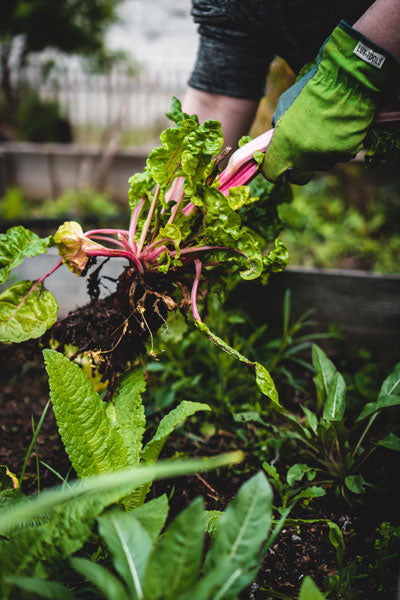
And as for the nutrient content often touted by organic producers, it does not depend on whether or not natural or synthetic pesticides are used, but on the variety of the plant, whether or not it is exposed to the sun, air pollution and the richness or poverty of the soil. Not to mention the nitrogen fertilizers used and the time of picking. A fruit grown organically but which finishes ripening in a container will not be as rich in minerals, vitamins and others as a fruit that has remained ripening on its tree while benefiting from the benefits of the sun. It is therefore very difficult, if not impossible, to decide and decide on this subject. Once again, an organic family farm, local or national, will necessarily be a guarantee of better quality compared to fruits or vegetables from an industrialized organic culture far from home.
Organic, better for farmers’ health
Today, while we know that it is better to avoid consuming pesticides, their effects on consumers' health are still debated. This is not the case for farmers: sustained and repeated professional exposure to pesticides is a proven risk factor for Parkinson's disease, certain blood cancers and prostate cancer. Enough to lose your health... Especially since France has not achieved the objective of the Ecophyto plan to reduce the use of plant protection products by 50% by 2025, an objective already postponed several times since its creation in 2008. Incredible but true: France saw sales of plant protection products increase significantly in 2018, with a jump of +10% for the famous glyphosate, extremely toxic but extremely effective. Stopping the use of this substance would make farmers' work unprofitable. While some farmers have stockpiled in anticipation of future bans, they have also bought in abundance less harmful products that will have to be used in greater quantities to achieve the same results.
The advantages of organic
Despite the imperfections of the charter, for the farmer, growing organically means rediscovering the profession of farmer, reconnecting with nature, observing it in order to intervene at the right time. Apart from large-scale globalized organic farming, organic farmers adhere to a virtuous global philosophy even if it is not included in the specifications. Namely: respecting ecosystems,producing healthy food , supplying short supply chains, optimizing energy and water consumption, reintegrating biodiversity. It is also a positive choice for the community because organic pollutes much less, which reduces the costs of water and soil decontamination treatments. Organic farming helps reduce these expenses for society. This is why organic farming is necessary, and often better, even if it is not perfect.
Beyond organic, conservation agriculture
The organic charter can therefore be improved with a third way, between conventional agriculture and organic agriculture: conservation agriculture. Non-organic, this agriculture uses a set of virtuous practices for ecosystems: not plowing the soil, avoiding having "bare" soils by sowing a "vegetable cover", that is to say a mixture of plants which prevents it from degrading and becoming impoverished by losing its precious organic matter. However, to practice conservation agriculture, it is necessary to use a little glyphosate, to destroy the "vegetable cover" between two seeds and prevent it from growing back and mixing with the crops. This pesticide is so powerful that an absolutely minimal quantity is enough (the best farmers manage to use only 1 to 2L/hectare!) to manage the problem of the cover. As for organic farmers who also want to preserve the soil but cannot use pesticides, they practice mechanical weeding to remove the plant cover. A tedious and complex technique that must be added to organic practices. Today, this conservation agriculture makes it possible to stop depleting soils, whether cultivated organically or not.
The future of organic
So, to really do well, to preserve one's health AND the environment from the damage of intensive agriculture and pesticides, agriculture should therefore both convert to organic, ban all synthetic chemical molecules but also apply all good soil conservation practices. So many practices that would allow us to practice truly virtuous agriculture, "real organic", and not globalized or low-cost organic. Short-circuit sales should also become more democratic: without an intermediary, the farmer is more fairly remunerated.
These are all practices that will build the regenerative agriculture of the future, which some are already calling ABC (Conservation Organic Agriculture). This new agriculture is currently based on the motivation and goodwill of new generation farmers who are truly ecological.
If organic farming was an important step, it is now overtaken by the ecological crisis which requires stronger measures, and real support for farmers by the public authorities. On your scale as a consumer, you can support this transition by reducing supermarket purchases in favor of local producers' markets, and by choosing food without packaging, produced in France or ideally in your region, and - in fact - consuming fresh and seasonal products. At present, there is no form of productivist agriculture that allows farmers to live well while preserving the environment. We should therefore review the entire agricultural system!

5 harmful wastes that we rarely talk about
Waste reduction and the "zero waste" trend are on everyone's lips when we talk about ecology. But we more often think of household trash from our food than other common waste that is easy to reduce... or even eliminate! Let's dive into the heart of 5 wastes to eradicate.
1- Single-use covid masks
The directives for the mandatory wearing of masks have caused a surge in the production, use and then waste of these surgical masks usually reserved for health professionals. These masks are made of synthetic fibers : polypropylene, in short, plastic. And if we add surgical gloves, the pandemic and its corollary of disposable protections, these have greatly aggravated plastic pollution in the sea . Today we are starting to look into setting up their recycling, this comes up against the difficulty of collecting them on the one hand but also the need to separate the metal wires from the mask itself. It is also possible to crush everything but this requires heavy industrial processes for small volumes. Everything remains to be done!
Solution : washable fabric masks, of course! The French Association for Standardization (Afnor) indicates that category 1 fabric masks filter the incriminated particles well, just like surgical masks. No more hesitation: choose reusable.
2- Hygienic protections

"Sanitary textiles" such as sanitary protection, wipes and diapers, represent 13% of residual household waste. Unfortunately, towels and panty liners as well as tampons are not biodegradable. However, they represent a terrifying volume of waste that will be buried or incinerated, generating soil and air pollution, in addition to the environmental impacts due to their manufacture. Not to mention their individual packaging and other applicators... The production of disposable sanitary protection mainly composed of cotton and plastic, also requires a lot of resources, and many chemicals (chlorine, mainly) which are involved in their composition: in addition to being harmful to the planet , they are also harmful to the body.
Solution : there are many sustainable and zero waste alternatives: the menstrual cup, washable fabric protection and period panties which have the dual advantage of being very practical and ecological.
3- Garbage bags
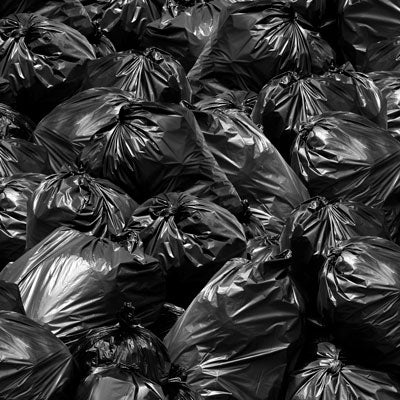
These bags partly made of plastic are additional waste that is added to our waste! Indeed, after the garbage truck, household waste is directed to centers and then incinerated or buried, bags included. We can choose garbage bags made of recycled plastic but that does not solve the problem of their disappearance. Otherwise, so-called biodegradable and/or compostable garbage bags are all the rage. Problem: if the composting conditions are not met, plant-based plastic will not degrade. Most of these garbage bags are made of polyethylene (plastic) as well as corn starch or potato starch so that they can "disintegrate" by breaking up. If the plant-based part is biodegradable, there are still pieces of plastic. When we think of its purpose, in the soil, or the toxic fumes when it is burned, the garbage bag becomes absurd.
Solution : Why not simply ditch the classic trash bag in favor of a cardboard bag? As we sort our waste and reduce it, the kitchen trash can can easily be contained in a kraft paper bag. Simply line the bottom with a paper bag like those from the greengrocers, and take out your trash a little more often.
4- Cosmetics

While in the kitchen, food packaging is often recycled using different sorting bins, in the bathroom, this is rarely the case. Indeed, in the bathroom bin, empty plastic shampoo bottles sit alongside toothpaste tubes and dirty cotton pads that are rarely separated. However, some containers are perfectly recyclable, such as glass bottles and jars for facial care products, their plastic lids or cardboard boxes. Then there are cream tubes, lipsticks and makeup in general, nail polishes or stick deodorants as well as body care pump systems, for example, that must be separated. Terracycle and Citéo, specialists in special recycling programs, offer collection solutions in partnership with brands, which for their part also make a lot of efforts so that consumers can return the containers. All of this still needs to be generalized, as does the upstream commitment to designing easily recyclable packaging, using recycled materials, and indicating sorting instructions on products.
Solution : Favor eco-designed cosmetics and plastic-free packaging . Also think about solid formats : prefer soaps to shower gels, solid shampoo, solid toothpaste, refillable makeup and washable wipes. There are even solidified makeup remover oil pallets, solid deodorants and body butters in the form of bars that are melted on the skin. With all this and reusable cotton buds, no more need for a trash can in the bathroom.
5- Sponges

They are the forgotten ones in household waste! We give them little importance and yet, sponges are an ecological disaster, from their production, to their death and during their use. In general, the sponge is disposable, synthetic, made of resin foam, chemically treated and coated with polyurethane, a strong glue, to fix the scratchy side composed of nylon and polyester, also plastic fibers from petrochemicals . Not to mention the chemical dyes of the blue and pink versions. During its use, thousands of microplastics soaked in these toxic substances that the sponge loses in the dishwater and which end up in wastewater and ultimately, in the soil. Finally, when it ends up in the trash, the sponge is impossible to recycle. Vegetable sponges, very widespread because they are supposed to be more ecological, are an interesting solution but they contain the same glue for the abrasive side and often just as many - or even more - chemicals to make them more resistant. Finally, natural sponges are biodegradable but of animal origin: they are in fact the "skeleton" of a marine organism which is harvested at sea.
Solution : you can start by equipping yourself with more sustainable cleaning tools such as dish brushes with wooden handles, coconut brushes. We talk a lot about tawashi, these Japanese sponges to make yourself by braiding cotton strips from an old t-shirt for example. Perfect for cleaning windows, they sometimes do not scrape enough for dishes. We can then turn to washable sponges, made of jute for example, which you just have to put in the machine to get rid of bacteria and reuse them.
The fight against waste is won with changes in habits that lead to changes at the industrial level when brands follow demand. It's up to you to make these choices to act, at your level, on reducing waste , or at least on recycling it. Consume wisely in order to choose the most sustainable and biodegradable products possible!

What are the links between climate change and world hunger?
It is sometimes difficult for us Westerners to make this sad observation: global warming is indeed one of the three major causes of hunger in the world, after wars and economic crises. To understand this, we must study the impact of global warming on ecosystems linked to food production , the plundering of resources including water, and the effects of climate disasters on the increase in the prices of agricultural production and the stability of the most fragile populations.
Food crisis and climate change
According to a report by the Food and Agriculture Organization of the United Nations (FAO), climate change and its disruptions are today one of the most serious causes of hunger in the world. A link also recognized by the Paris Agreement. Climate change has a very negative impact on the food crisis, with direct links to global warming. Indeed, all new unprecedented climate disruptions aggravate pre-existing crises. Thus, more than 800 million people in the world suffer from hunger, a figure that continues to increase, and will continue as long as vulnerable populations cannot adapt to these climate changes. If nothing is done, nearly 600 million more people could suffer from lack of water and food by 2080, according to the United Nations Development Program (UNDP). If no measures to reduce greenhouse gases are truly implemented on a global scale, climate change and global warming will make access to food increasingly difficult.
Climate and economic instability
The climate is changing faster than people can adapt, making them extremely vulnerable. When climate variations become extreme, so are the consequences. Indeed, the negative effects of climate change are transforming natural areas: land degradation, rising sea levels, and advancing desert areas make it impossible to cultivate land that was once fertile. Elsewhere, areas are being reshaped based on increasingly severe flooding, following increasingly frequent storms, and shifting rainy seasons, with sometimes devastating monsoon periods. These events trigger economic disruptions that worsen people's inability to cope. Climate instability leads to economic instability, a new cause of hunger that leads to lasting food insecurity. This is particularly the case when people can no longer live off their agriculture as before, and they do not have access to other sources of food.
Extreme weather events and climate disasters

We talk a lot about global warming, but beyond the increase in temperatures that leads to melting ice and significant droughts, we must also note the disruption of the climate and the catastrophic resurgence of extreme weather events: unexpected cold snaps that destroy harvests, storms, cyclones and torrential rains or, on the contrary, increasingly frequent periods of heat waves. These extreme events destroy homes and weaken agricultural productivity, particularly for essential "major crops" such as rice, wheat or corn. When harvests are bad, there is a shortage of food and prices increase while income from agriculture decreases. However, without direct resources, families are then forced to buy food produced elsewhere, which is much more expensive. This is a vicious circle experienced by farmers in risk areas shaken by chaotic climatic episodes. Already very vulnerable in these regions of the world, these local farmers are deprived of their source of income, access to food and all other resources when drinking water runs out. The correlation is now established between the exposure of countries to extreme climatic and temperature variations, and hunger: nearly 80% of people subject to hunger live in regions prone to extreme weather events.
Agricultural production in danger
Global warming and its corollary of extreme weather episodes are exacerbating the difficulties already present. The fragile agricultural system is threatened by a drop in productivity, the destruction of crops but also of soils, which compromises the future as well… Because if the increase in temperatures and drought can be anticipated, these violent and unpredictable climatic variations leave traditional farmers helpless due to a lack of sufficient infrastructure to compensate for the losses. It is the developing countries that are the most threatened and that are today experiencing “food stress”. Their precarious situation, their crops threatened by the slightest climatic variation, the impoverished, dried-out soils, precipitate the most deprived communities into food insecurity or even famine. This fragility is accentuated by the continuous financial pressure on small producers because of competition and price variations on the financial markets.
Water, precious and deadly

The paradox? There is a water shortage in many regions of the world, even in Europe, where some areas sometimes have to ration water. And yet, floods are among the disasters that most damage a region. As for their alternation, it is devastating. In 2016, the coastal current called El Nino, a real climatic anomaly that disrupts the circulation of currents and has global impacts, delayed the arrival of spring rainfall in Somalia. The sudden alternation of rain and drought had a devastating impact on plantations, land fertility and the survival of livestock, which suffer from thirst, weaken and become impossible to keep or sell. Devastating floods often lead to health disasters. Cyclones and storms make water impure and, faced with a lack of drinking water, populations have no choice but to make do with it, which leads to the spread of bacteria and epidemics such as cholera. It is then the lack of hygiene, linked to the absence of water, which pushes populations into dramatic situations, forcing them to move and become climate refugees.
The chain consequences of global warming
As we have seen, already on a local scale, global warming and extreme phenomena are already causing a cascade of effects that lead to hunger and migration of affected populations. There could be nearly 150 million climate refugees by 2050 if the consequences of global warming are not contained, particularly in sub-Saharan Africa, Latin America and South Asia. But there is also a network of perverse effects due to sudden climate variations. When small rural farmers suffer drought or flooding of their crops, they no longer have the means to send their children to school. They will therefore take them out of school so that they can help the family in the fields, or ensure the water supply. During a hurricane, when the land and houses are flooded, when livestock perish, families who have nothing left and who are at risk must leave. Because of hunger, these disasters are also the scene of security problems, looting, dangers and violence to survive, and the law of the strongest can quickly tip entire regions into famine and chaos. Hunger and lack of resources cause conflicts that can degenerate into civil war, only increasing the distress of the populations.
How to preserve crops?
All the inhabitants of the Earth, wherever they live, will have to adapt to sometimes brutal changes over the coming decades. The most fragile populations are, very unfairly, those who will have participated the least in the acceleration of global warming, but who will suffer the most from it. And it is still they who will have to make the greatest efforts in resilience and adaptability in terms of food: rethinking their resources and means of subsistence, transforming habits, housing, agricultural methods, etc. Many NGOs are participating in these transformations by providing training in agroecology to provide local populations with the foundations of long-term resilient agriculture. These people must be helped to better manage agricultural land by restoring soil richness, diversifying crops, and strengthening infrastructure. The establishment of community property constructions will help the community to withstand future climatic events (creation of bridges, dams, irrigation systems), to secure harvests. In Africa, simple closed bins have helped preserve grain from drought and significantly reduce crop losses due to lack of water.
Global warming and its catastrophic disruptions will have a terrible impact on access to food and harvests around the world. Fortunately, there are solutions. The implementation of virtuous and reasoned agriculture will also be very useful in Europe where extreme weather episodes also have a dramatic impact in certain regions.
If agroecology responds concretely to food insecurity, it is by limiting global warming that we can avoid famine for many displaced peoples or climate refugees. But there is no miracle. It is the rich countries that absolutely must change their habits because they are, through their unbridled consumption, responsible for global warming.